


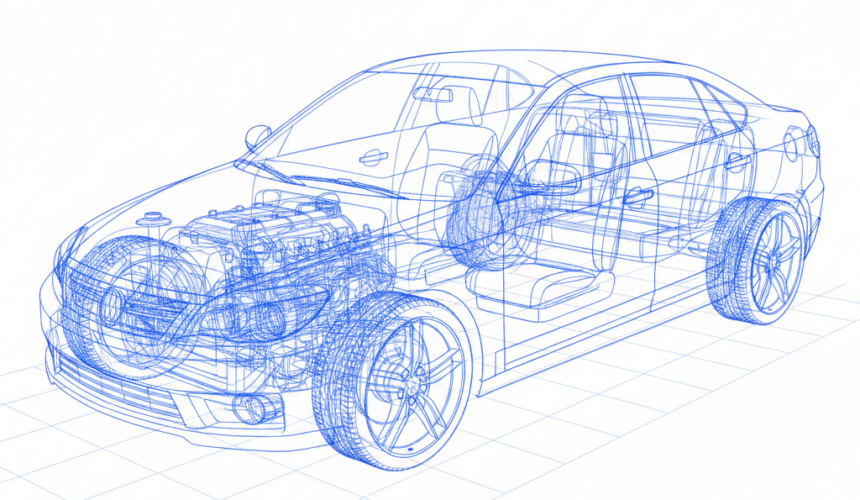
What Are EV Gears? Understanding the Role of Precision Gears in Electric Vehicles
The electric vehicle revolution is transforming the automotive industry across North America, Europe, and global markets. As manufacturers focus on improving efficiency, range, and performance, one critical component continues to play a major role in every electric drivetrain: EV gears.
While electric vehicles are often considered mechanically simpler than traditional internal combustion engine vehicles, they still rely heavily on precision-engineered gear systems to transfer power efficiently from the electric motor to the wheels. The performance, reliability, and efficiency of an EV depend significantly on the quality of its gears, shafts, and transmission components.
In this article, we explore what EV gears are, why they are important, how planetary gear systems work, the materials used in manufacturing, and the advanced production processes that help create high-performance electric vehicle drivetrain components.
What Are EV Gears?
EV gears are precision-engineered transmission components that transfer power generated by an electric motor to the vehicle’s wheels. Unlike conventional vehicles that require multiple gear ratios to accommodate varying engine speeds, electric vehicles typically operate using fewer gears because electric motors deliver maximum torque from zero RPM.
Despite this advantage, electric motors often spin at extremely high speeds. Gears are therefore required to reduce motor speed while increasing torque at the wheels, enabling smooth acceleration, improved efficiency, and optimal vehicle performance.
Modern EV gear systems are designed to operate quietly, efficiently, and reliably while handling high torque loads generated by electric motors.
Manufacturers producing advanced EV gear manufacturing solutions focus heavily on precision engineering, durability, and performance optimization.
Why Do Electric Vehicles Still Need Gears?
A common misconception is that electric vehicles do not require transmissions or gears. While EVs generally use simpler drivetrains than traditional vehicles, gears remain essential for power transmission.
Electric motors can rotate at speeds exceeding 15,000 RPM. Directly connecting such high-speed motors to the wheels would result in poor drivability, excessive wheel speeds, and inefficient power delivery.
Gears perform several critical functions:
- Reduce motor speed to usable wheel speeds
- Multiply torque for improved acceleration
- Improve energy efficiency
- Enhance driving comfort
- Reduce mechanical stress on drivetrain components
- Optimize vehicle performance across operating conditions
As EV technology advances, demand for high-quality precision EV gears continues to increase globally.
Single-Speed vs Multi-Speed EV Transmissions
Single-Speed EV Transmission
Most electric vehicles currently utilize single-speed transmissions. Since electric motors provide a broad torque range, a single reduction gear is often sufficient to deliver efficient performance for everyday driving.
Advantages include:
- Simplified drivetrain design
- Reduced maintenance requirements
- Lower manufacturing costs
- Improved reliability
- Higher energy efficiency
Multi-Speed EV Transmission
Some high-performance electric vehicles utilize two-speed or multi-speed transmissions to maximize efficiency at various operating speeds.
Benefits include:
- Enhanced acceleration
- Higher top speeds
- Improved efficiency at highway speeds
- Optimized motor performance
Regardless of transmission design, modern EV gear manufacturer solutions require exceptional precision and durability to perform under demanding conditions.
The Importance of Planetary Gear Systems in Electric Vehicles
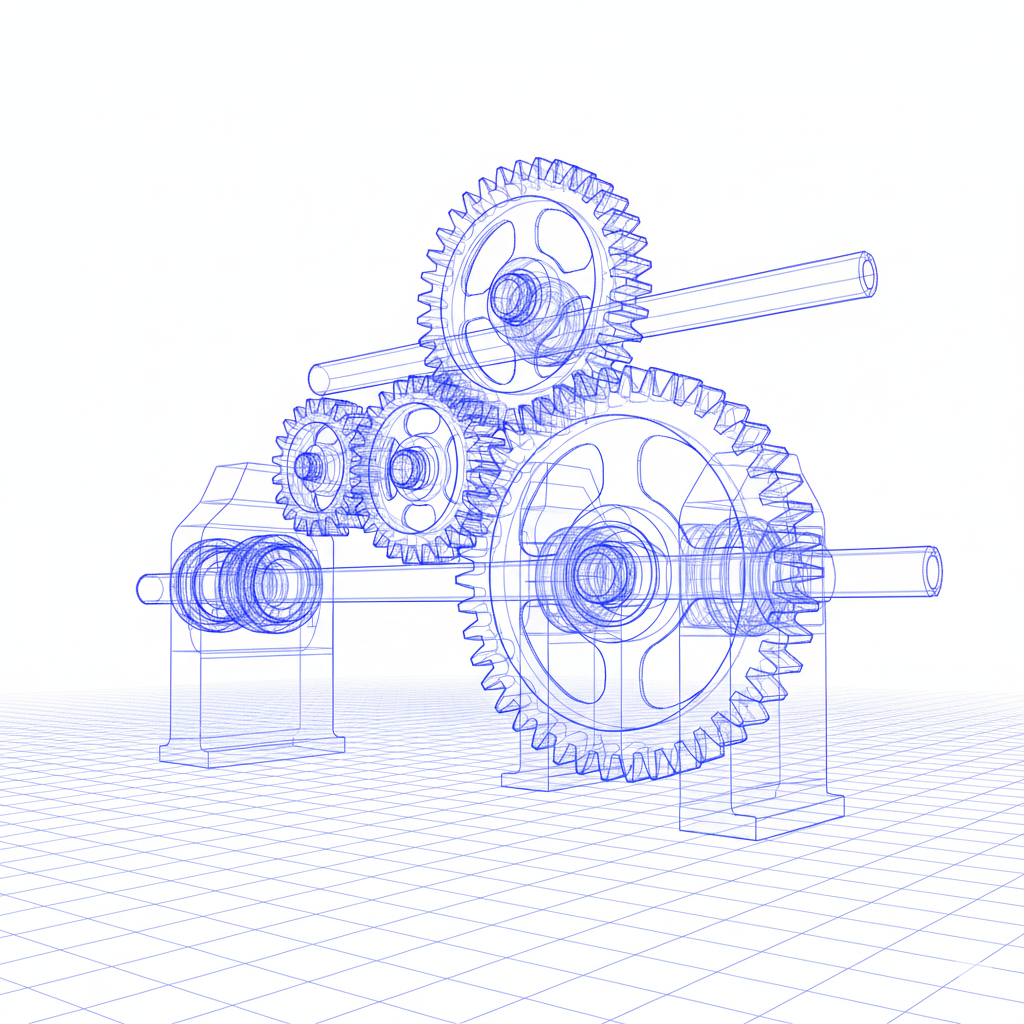
One of the most widely used gear configurations in electric vehicle drivetrains is the planetary gear system.
A planetary gear assembly consists of:
- Sun Gear
- Planet Gears
- Ring Gear
- Planet Carrier
This compact design offers several advantages for EV applications:
- High torque density
- Compact packaging
- Smooth power transfer
- Reduced noise levels
- Excellent load distribution
- Improved efficiency
Manufacturers producing planetary gear components play a vital role in supporting next-generation electric mobility solutions.
Types of EV Gears Used in Modern Drivetrains
Electric vehicles utilize various gear types depending on drivetrain architecture and performance requirements.
- Planet Gears
- Sun Gears
- Ring Gears
- Pinion Gears
- Reduction Gears
- Differential Gears
- Transmission Gears
- Ground Gears
- Precision Machined Gears
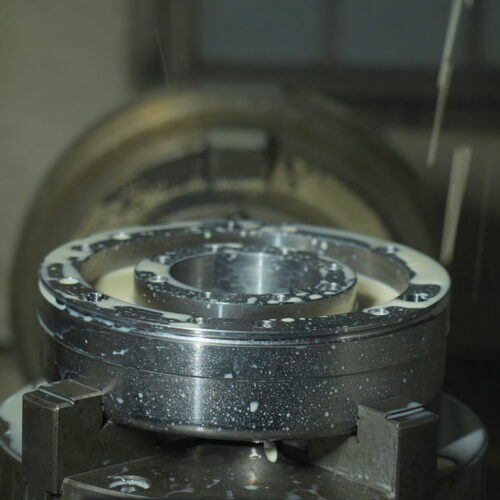
Many of these components are produced using advanced 5 Axis Machining Services to achieve tight tolerances and superior surface finishes.
Materials Used in EV Gear Manufacturing
Material selection is one of the most important factors in EV gear performance. Gears must withstand continuous torque loads, vibration, thermal fluctuations, and long operating cycles.
Common materials include:
- Alloy Steel
- Chromium-Molybdenum Steel
- Nickel Alloy Steel
- Carburizing Steel Grades
- Induction Hardened Steel
Advanced heat treatment processes improve hardness, wear resistance, and fatigue strength.
Many manufacturers integrate forging technology with forged machined components manufacturing to achieve optimal mechanical properties.
How EV Gears Are Manufactured
The manufacturing process directly impacts the quality, durability, and efficiency of EV gears.
1. Raw Material Selection
High-quality alloy steel is selected based on application requirements and performance expectations.
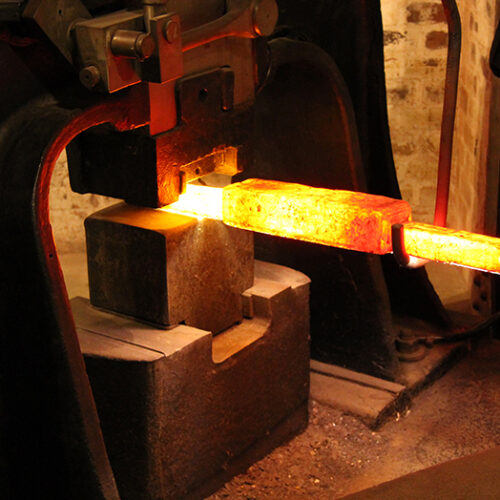
2. Closed-Die Forging
Forging creates a superior grain flow structure that improves strength and fatigue resistance compared to conventional machining methods.
Learn more about advanced forging gears manufacturer capabilities used for critical drivetrain components.
3. CNC Machining
Precision CNC machining establishes dimensional accuracy and prepares gear blanks for gear cutting operations.
4. Gear Hobbing & Shaping
Advanced gear cutting equipment produces accurate tooth profiles necessary for smooth and efficient operation.
5. Heat Treatment
Processes such as carburizing, tempering, and induction hardening enhance surface hardness and durability.
6. Gear Grinding
Grinding improves gear accuracy, reduces noise, and enhances efficiency.
7. Inspection & Validation
Final quality inspections verify dimensions, hardness, gear profile accuracy, and overall component integrity.
Manufacturers specializing in precision forged components often use similar quality-focused processes.
Challenges Facing EV Gear Manufacturers
The EV industry presents unique engineering challenges:
- Higher torque loads
- Noise reduction requirements
- Weight optimization
- Extended service life expectations
- Tight dimensional tolerances
- Increasing production volumes
To address these challenges, leading industrial machinery manufacturers continue investing in advanced manufacturing technologies and precision engineering systems.
The Future of EV Gear Technology
As electric mobility continues to evolve, EV gear technology is becoming increasingly sophisticated. Future developments include:
- Lightweight gear materials
- Advanced surface treatments
- Low-noise gear designs
- Integrated e-axle systems
- High-efficiency planetary gear systems
- AI-assisted manufacturing processes
Companies operating within the automotive forging sector and general engineering industry are playing a significant role in developing next-generation EV drivetrain solutions.
Why Quality Matters in EV Gear Manufacturing
Even minor deviations in gear geometry can affect efficiency, noise levels, durability, and overall vehicle performance.
This is why OEMs increasingly partner with experienced manufacturers offering:
- Advanced forging capabilities
- Precision CNC machining
- Gear grinding expertise
- Material traceability
- In-house quality testing
- OEM-grade manufacturing standards
Choosing a trusted provider of electric vehicle gear solutions helps ensure long-term drivetrain reliability and performance.
Conclusion
EV gears remain one of the most important components in modern electric vehicles. Whether utilizing single-speed transmissions or advanced planetary gear systems, precision gears are essential for transferring power efficiently and reliably.
As electric vehicle adoption accelerates worldwide, manufacturers capable of producing forged, machined, ground, and precision-engineered gear components will continue to play a crucial role in shaping the future of mobility.
From material selection and forging to CNC machining, heat treatment, and gear grinding, every manufacturing step contributes to the performance and longevity of EV drivetrain systems.
Learn More About Our EV Gear Manufacturing Capabilities
Looking for a reliable partner for EV gears, planetary gears, transmission components, shafts, and precision drivetrain solutions?
Explore MTF’s advanced EV gear manufacturing capabilities and discover how our expertise in forging, machining, and gear production supports global OEMs and electric vehicle manufacturers.