



The Evolution of Automotive Transmission Gears: From Conventional Vehicles to Electric Mobility
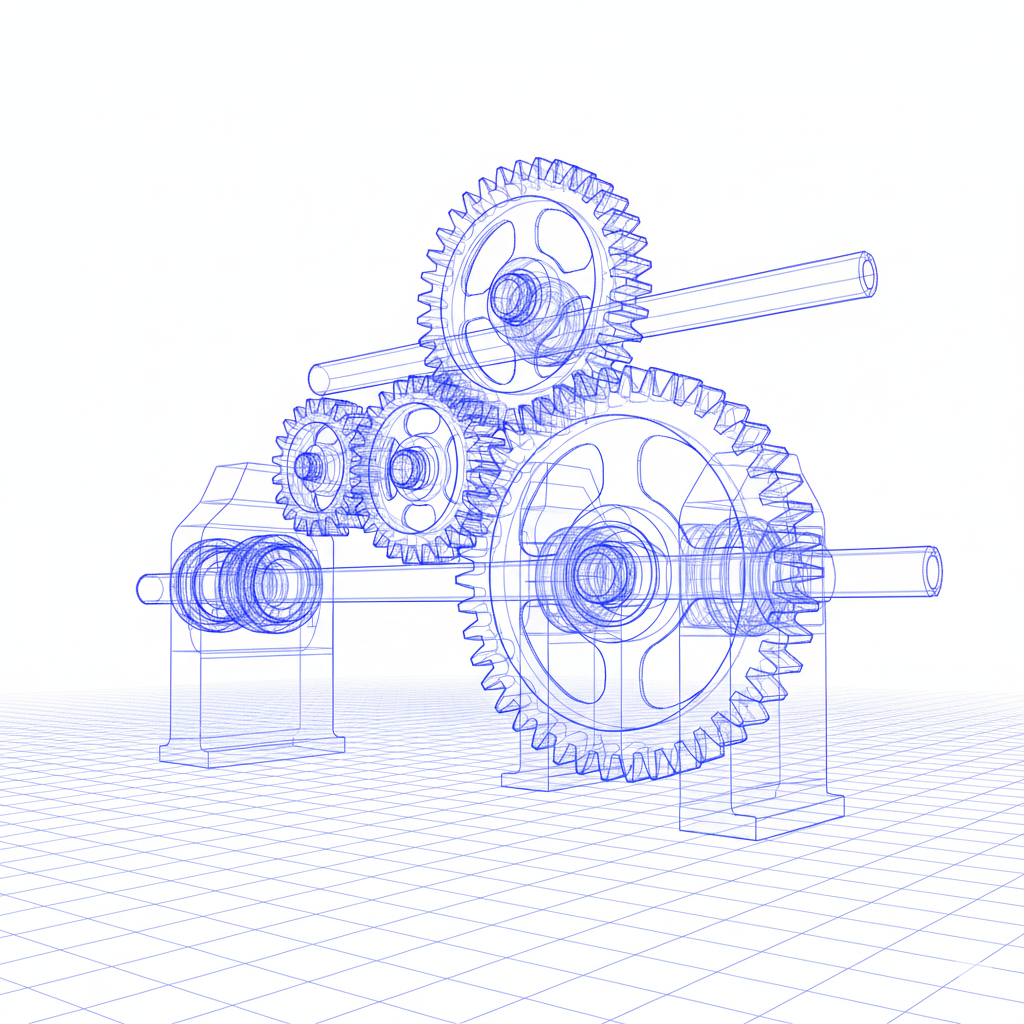
The automotive industry is experiencing one of the most significant technological transformations in its history. Over the last century, transmission systems have evolved from simple mechanical gear arrangements into highly sophisticated powertrain solutions designed to maximize performance, efficiency, and reliability.
Today, the shift toward electrification is accelerating this evolution even further. Traditional internal combustion engines are being complemented—and in many cases replaced—by advanced electric drivetrains that require entirely new approaches to gear design and manufacturing.
For modern vehicle manufacturers, transmission gears remain critical components that directly influence vehicle efficiency, durability, acceleration, and overall driving performance.
As a result, global OEMs continue to rely on experienced automotive gear manufacturer partners capable of delivering precision-engineered drivetrain components for both conventional and electric vehicles.
The Foundation of Automotive Power Transmission
Since the early days of the automobile, gears have served as the primary mechanism for transmitting power from the engine to the wheels.
Automotive gears perform several essential functions:
- Torque multiplication
- Speed reduction
- Power distribution
- Load management
- Vehicle control
Without precision gear systems, modern vehicles would be unable to achieve the balance of performance, efficiency, and drivability expected by consumers.
This has made automotive gear manufacturing one of the most specialized sectors within the global automotive supply chain.
The Era of Manual Transmission Systems
For decades, manual transmissions dominated the automotive industry. These systems relied on carefully engineered gear sets to provide multiple gear ratios that allowed engines to operate efficiently across varying speeds.
Manual transmissions typically utilized:
- Input Shafts
- Output Shafts
- Counter Gears
- Synchronizer Assemblies
- Helical Gears
- Reverse Gears
Precision manufacturing was critical because even minor inaccuracies could affect shifting quality, durability, and driver experience.
Many of these components continue to be produced using advanced forging gears manufacturer technologies.
The Rise of Automatic Transmission Technology
As consumer preferences shifted toward comfort and convenience, automatic transmissions became increasingly popular across North America and Europe.
Automatic systems introduced new engineering challenges and opportunities.
Key components included:
- Planetary Gear Sets
- Sun Gears
- Ring Gears
- Planet Carriers
- Torque Converters
- Differential Components
Planetary gear systems enabled smoother operation, compact packaging, and multiple gear ratios within a relatively small footprint.
Today, advanced planetary gear components remain essential to many modern transmission systems.
Germany’s Influence on Automotive Gear Engineering
Germany has long been recognized as a global leader in automotive engineering and precision manufacturing.
German automakers and Tier-1 suppliers have established some of the world’s highest standards for transmission technology.
Several factors contribute to Germany’s leadership:
- Advanced Manufacturing Infrastructure
- Engineering Excellence
- Precision Quality Standards
- Continuous Innovation
- Strong Supplier Networks
These standards have influenced automotive gear manufacturing worldwide, particularly in areas such as gear grinding, noise reduction, and transmission efficiency.
The Impact of Electrification on Gear Design
The transition to electric mobility has fundamentally changed how transmission systems are designed.
Unlike internal combustion engines, electric motors generate instant torque and operate at significantly higher rotational speeds.
This creates new engineering requirements:
- Higher Torque Capacity
- Lower Noise Levels
- Improved Efficiency
- Compact Packaging
- Enhanced Durability
Modern EV transmission components must meet these requirements while maintaining exceptional reliability.
How EV Drivetrains Are Changing Transmission Systems
Many electric vehicles utilize single-speed reduction gearboxes rather than traditional multi-speed transmissions.
This simplification reduces complexity but increases the importance of gear quality.
Because EV motors deliver instant torque, gears experience:
- Higher Contact Stress
- Continuous Loading
- Greater Thermal Demands
- Stricter Noise Requirements
This is driving demand for advanced precision automotive gears capable of supporting next-generation electric mobility.
The Growing Importance of Planetary Gear Systems
Planetary gear technology is becoming increasingly important in both conventional and electric powertrains.
Advantages include:
- High Torque Density
- Compact Design
- Excellent Load Distribution
- Smooth Operation
- Reduced Noise
As vehicle architectures continue evolving, planetary gear systems are expected to play an even larger role in future mobility solutions.
Manufacturers producing planetary gear assemblies are therefore becoming increasingly important partners for global OEMs.
Advanced Materials Driving Innovation
Modern transmission gears are manufactured using sophisticated alloy steels engineered to provide superior performance.
Common material characteristics include:
- High Strength
- Fatigue Resistance
- Wear Resistance
- Impact Toughness
- Heat Treatment Compatibility
Advanced materials enable gears to operate reliably under increasingly demanding conditions while supporting vehicle lightweighting initiatives.
Industry 4.0 and Smart Manufacturing
The future of automotive gear manufacturing is closely linked to Industry 4.0 technologies.
Manufacturers are implementing:
- Industrial IoT Systems
- AI-Powered Quality Control
- Predictive Maintenance
- Automated Inspection Systems
- Digital Production Monitoring
Companies investing in advanced machining technologies are achieving higher productivity, improved quality, and greater manufacturing flexibility.
Sustainability and the Future of Automotive Manufacturing
Sustainability has become a major priority across the automotive sector.
Manufacturers are reducing environmental impact through:
- Renewable Energy Usage
- Material Recycling
- Energy-Efficient Production
- Waste Reduction Programs
- Sustainable Supply Chains
These initiatives are helping automotive suppliers meet both regulatory requirements and customer expectations.
Forward-thinking companies such as advanced manufacturing organizations continue investing in sustainable production practices.
The Future of Automotive Transmission Gears
The next decade will bring significant advancements in transmission technology.
Future trends are expected to include:
- Integrated E-Axles
- High-Speed Reduction Gears
- Advanced Planetary Systems
- Smart Drivetrain Monitoring
- Lightweight Gear Designs
- Enhanced Surface Engineering
Manufacturers capable of combining forging expertise, precision machining, advanced gear manufacturing, and strict quality control will be positioned to support the next generation of vehicles.
Why OEMs Continue to Value Precision Gear Manufacturing
Whether for conventional vehicles, hybrids, or electric platforms, the importance of precision gear manufacturing remains unchanged.
OEMs require components that provide:
- Consistent Performance
- Long Service Life
- High Reliability
- Reduced NVH
- Superior Efficiency
- Global Quality Standards
This is why trusted automotive suppliers continue investing in advanced manufacturing technologies and engineering expertise.
Conclusion
The evolution of automotive transmission gears reflects the broader transformation of the automotive industry itself. From manual gearboxes and automatic transmissions to advanced EV drivetrains and integrated e-axles, gears remain fundamental to vehicle performance.
As electrification accelerates and mobility technologies continue evolving, demand for precision-engineered gears will only increase. Manufacturers that embrace innovation, quality, and advanced production capabilities will remain essential partners for global automotive OEMs.
Explore Our Automotive Gear Manufacturing Capabilities
Looking for a trusted partner for transmission gears, planetary gears, EV drivetrain components, differential assemblies, and precision-engineered automotive solutions?
Discover MTF’s expertise as a leading automotive gear manufacturer, supplier of forged transmission gears, producer of planetary gear components, and manufacturing partner for advanced EV transmission components serving global automotive OEMs.