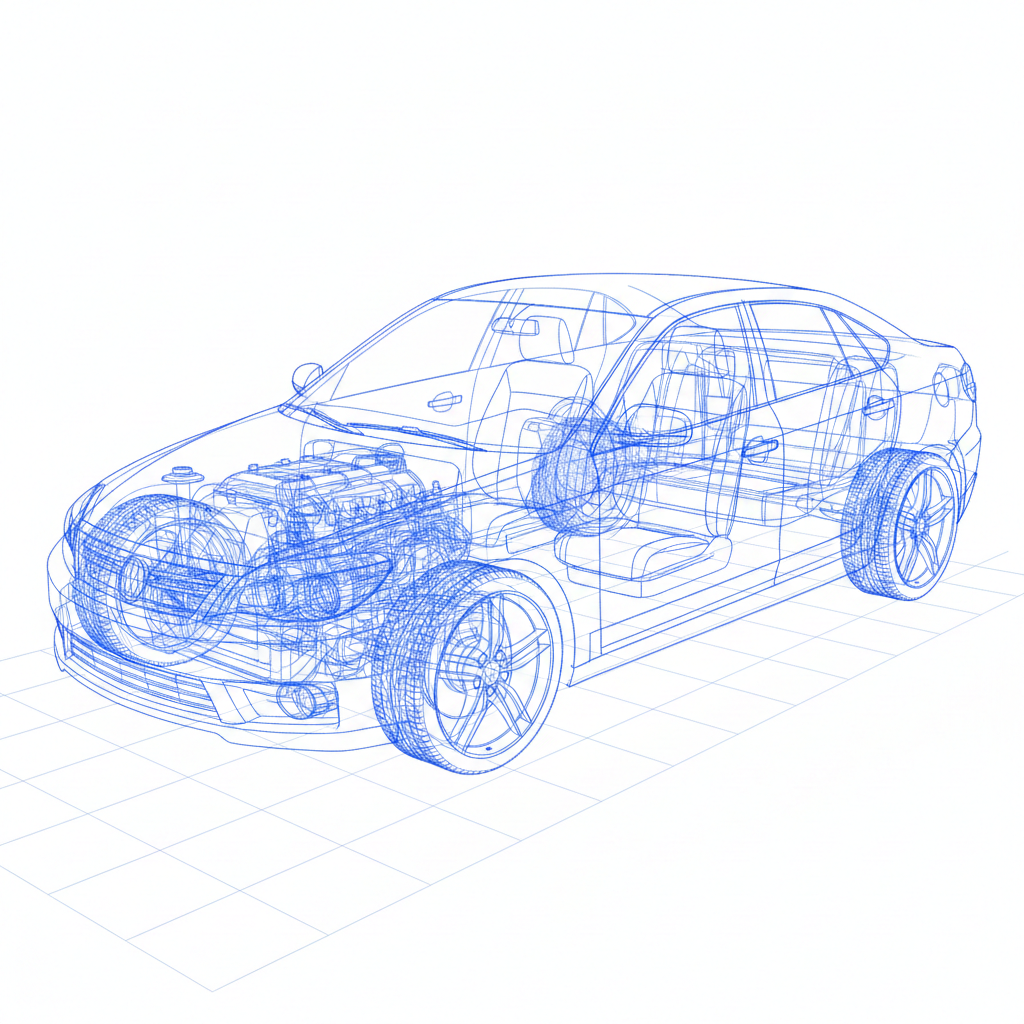
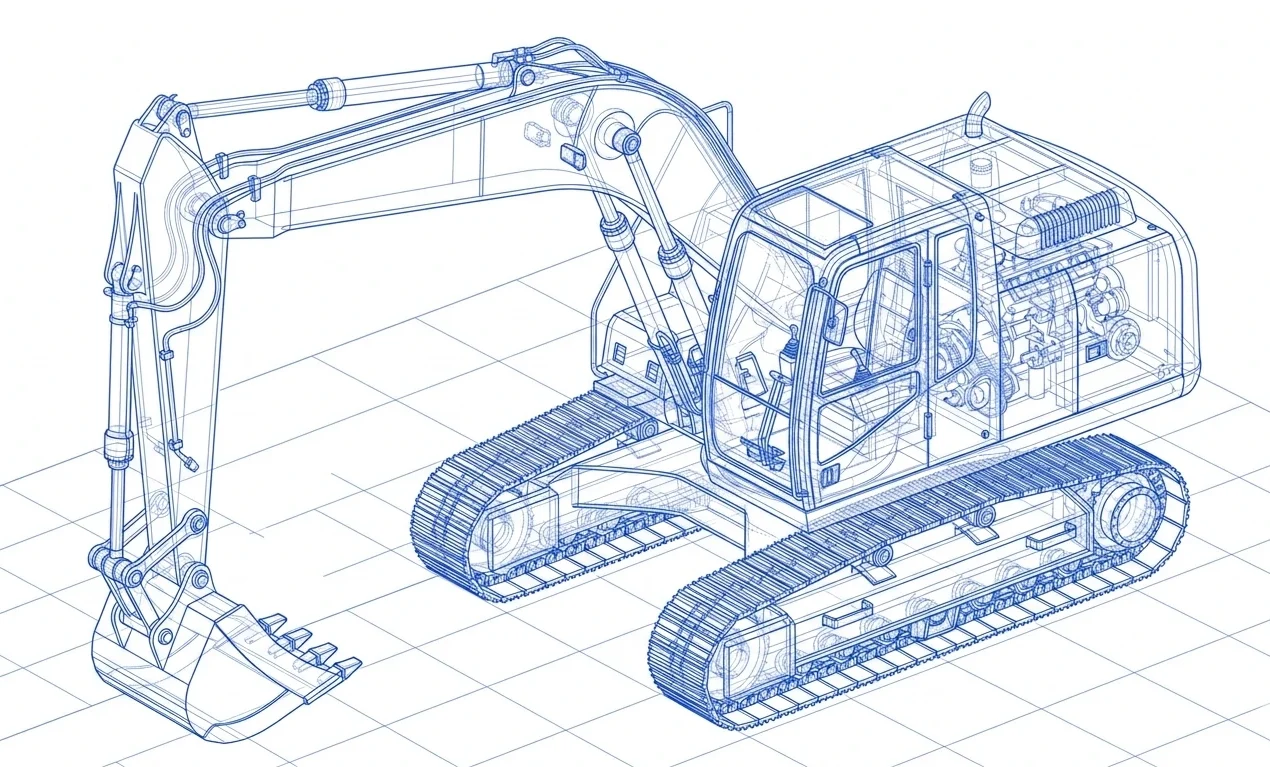
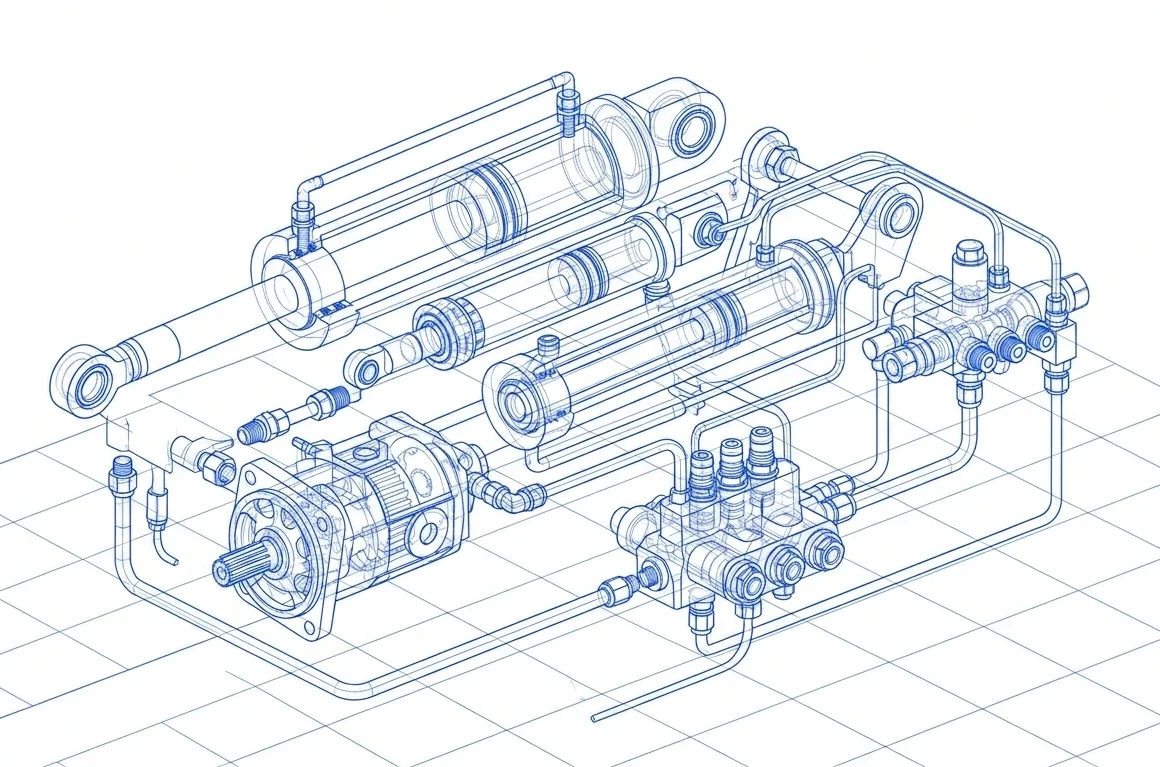




Gears are essential mechanical components used to transfer rotational motion and power between machine parts. They are widely used in automotive transmissions, electric vehicles, industrial machinery, and construction equipment.
But how do gears work, and why can a smaller gear turn a larger gear at a different speed?
Gears work through interlocking teeth that transfer motion from one rotating component to another. Their size and number of teeth determine the relationship between rotational speed and torque. Understanding these principles helps explain how machines achieve controlled movement and efficient power transmission.
1. What Are Gears?
Gears are toothed mechanical components designed to transmit rotational motion and torque between rotating shafts. Their teeth mesh with another gear, allowing motion to transfer between components.
A basic gear system includes:
- Driver Gear: The gear connected to the input power source. It supplies rotational motion.
- Driven Gear: The gear that receives motion from the driver gear and transfers it to another component.
When the driver gear rotates, its teeth push against the driven gear’s teeth, causing it to rotate.
2. How Do Gears Work?
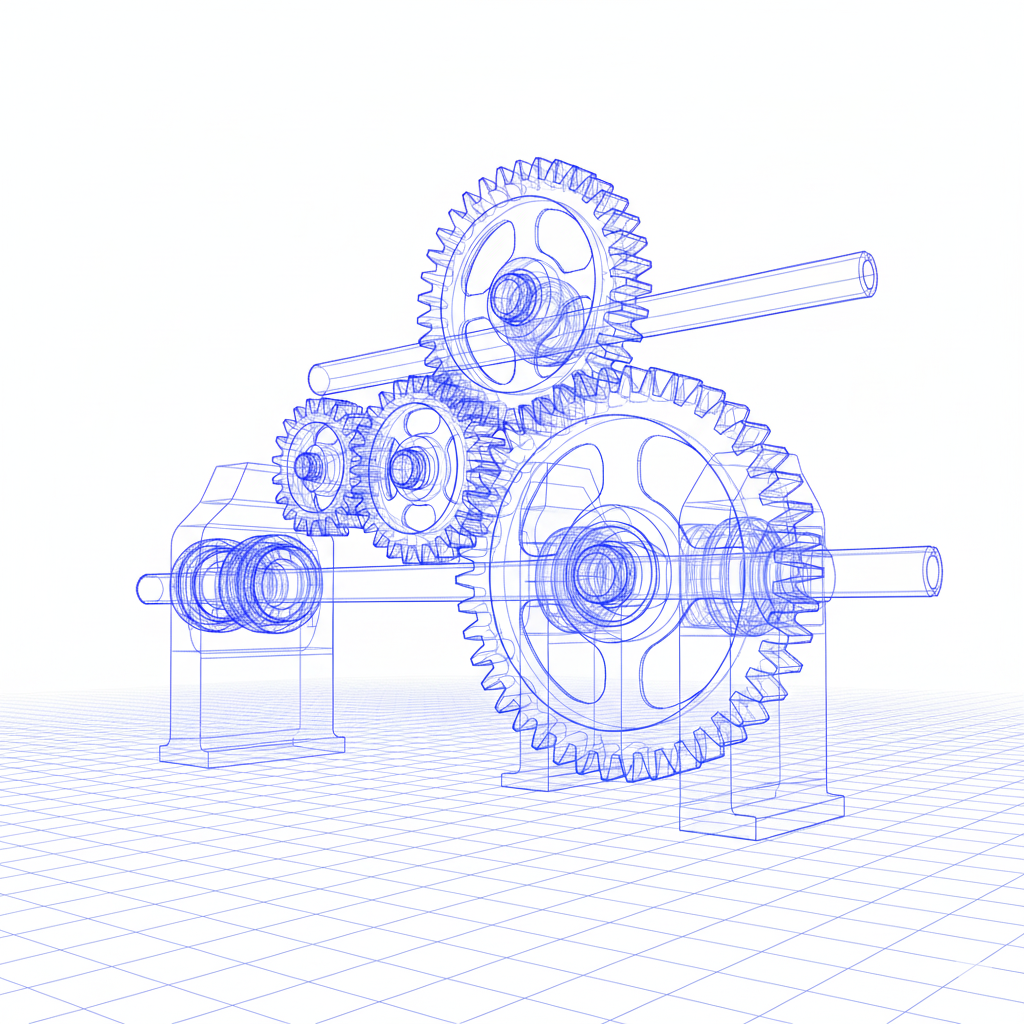
Gears transfer rotational motion through contact between their teeth.
For example, consider a gear arrangement:
- Driver gear: 16 teeth
- Driven gear: 32 teeth
When the smaller gear completes two revolutions, it moves 32 teeth through the contact point. This causes the larger gear to complete one revolution.
As a result:
- The smaller gear rotates twice.
- The larger gear rotates once.
- Output speed is reduced by half.
- Ideally, output torque is doubled.
This is called a 2:1 gear reduction. In practical systems, friction and mechanical losses reduce the actual output torque.
3. How Do Gear Ratios Work?
A gear ratio describes the relationship between the number of teeth on two meshing gears.
Gear Ratio = Driven Gear Teeth ÷ Driver Gear Teeth
For example:
- Driver gear: 16 teeth
- Driven gear: 32 teeth
Gear Ratio = 32 ÷ 16 = 2:1
This means the driver gear rotates twice for every one revolution of the driven gear.
Gear ratios help engineers determine whether a system increases or reduces output speed and torque. They are important in automotive transmissions, industrial gearboxes, and electric vehicle drivetrains.
4. How Does Gear Size Affect Speed and Torque?
Gear size and tooth count influence the relationship between output speed and torque.
- Smaller gear driving a larger gear: Reduces output speed and increases available output torque.
- Larger gear driving a smaller gear: Increases output speed and reduces available output torque.
For example, if a 16-tooth driver gear rotates at 60 RPM and drives a 32-tooth gear:
Output Speed = Input Speed × (Driver Teeth ÷ Driven Teeth)
Output Speed = 60 × (16 ÷ 32) = 30 RPM
The driven gear rotates at 30 RPM. Ideally, the output torque doubles, although real mechanical losses reduce the delivered torque.
5. Why Do Two Meshing Gears Rotate in Opposite Directions?
Two external gears rotate in opposite directions because their teeth push against each other at the contact point.
For example:
- Clockwise driver gear → Counterclockwise driven gear.
- Counterclockwise driver gear → Clockwise driven gear.
Why Is This Important in Mechanical Applications?
Opposite-direction rotation is important in applications where two shafts need to rotate in different directions while transferring power. This arrangement is commonly used in industrial gearboxes, conveyors, machinery drives, and automotive transmission systems. It helps engineers achieve the required motion direction and coordinate the operation of connected mechanical components.
In more complex arrangements, additional gears can change the direction of rotation and transfer power through multiple shafts.
6. What Are the Different Types of Gears?
Different gear types are designed for different shaft arrangements, torque requirements, and operating conditions. Common types include:
Spur Gears
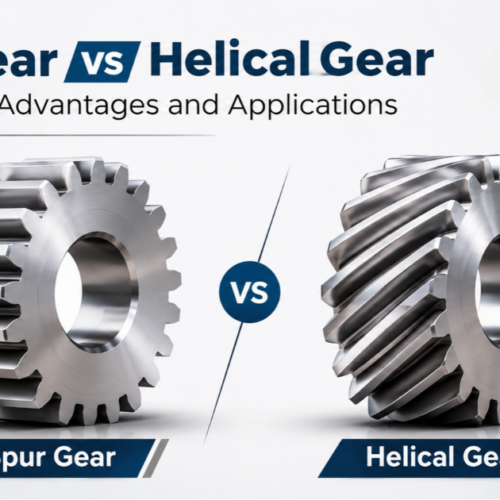
Spur gears have straight teeth parallel to the gear axis. They transmit motion between parallel shafts and are commonly used in industrial machinery, gearboxes, and machine tools.
Helical Gears
Helical gears have angled teeth that engage gradually, allowing smoother operation in many applications. They are used in automotive transmissions and industrial gearboxes. Their design also generates axial thrust, which must be considered during bearing selection.
Bevel Gears
Bevel gears have teeth arranged on conical surfaces. They transfer motion between intersecting shafts, often at 90 degrees. Common applications include differentials and industrial equipment.
Worm Gears
Worm gear systems consist of a screw-like worm and a worm wheel. They provide substantial speed reduction in compact arrangements and are used in conveyors, lifting equipment, and machinery drives.
Planetary Gears
Planetary gear systems contain a central sun gear, planet gears, a planet carrier, and an outer ring gear. Different combinations of fixed, input, and output components provide different speed and torque relationships.
They are commonly used in electric vehicle reduction systems, automatic transmissions, and industrial gearboxes.
7. Where Are Gears Used in Industrial and Automotive Applications?
Gears are used wherever controlled rotational motion and power transmission are required.
- Automotive: Transmissions, differentials, steering systems, and drivetrain assemblies.
- Electric Vehicles: Reduction systems that match motor speed with wheel requirements.
- Construction Equipment: Excavators, loaders, cranes, and other heavy machinery.
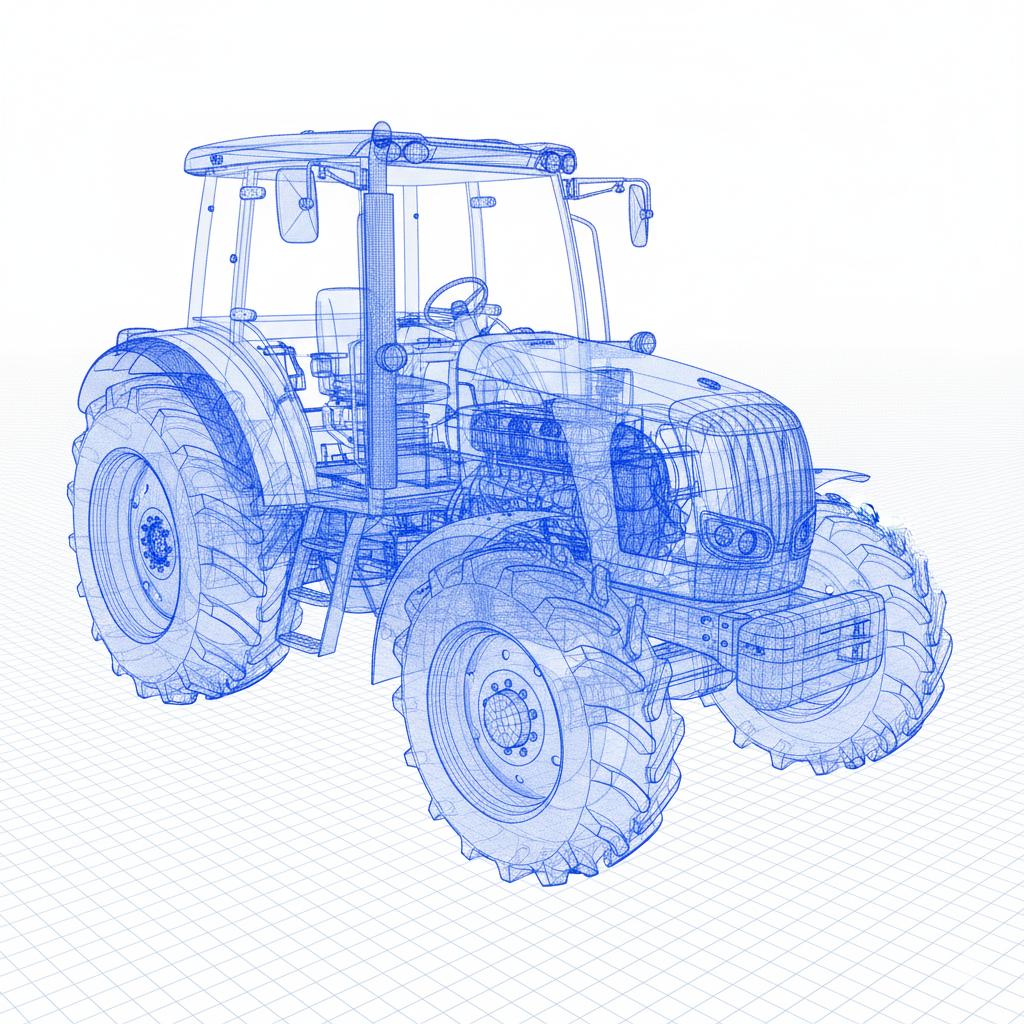
- Agricultural Machinery: Tractors, rotavators, harvesters, and related equipment.
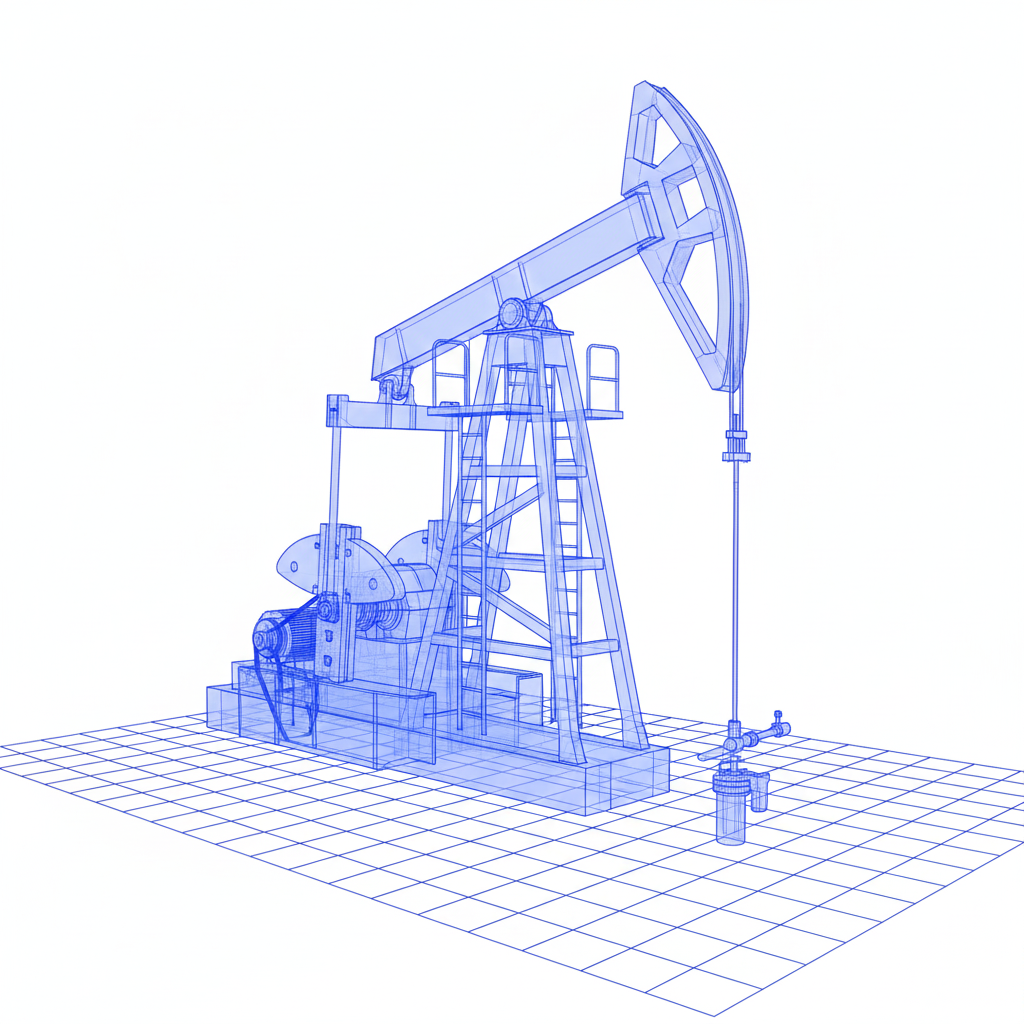
- Industrial Manufacturing: Gearboxes, conveyors, pumps, and production machinery.
8. What Factors Affect Gear Performance?
Gear performance depends on design, manufacturing, and operating conditions. Important factors include:
- Material Selection: Materials must meet the required strength, hardness, and wear resistance.
- Tooth Accuracy: Accurate tooth geometry supports proper engagement.
- Surface Finish: Surface quality influences friction and wear.
- Lubrication: Suitable lubrication reduces friction between contacting teeth.
- Load and Speed: Gears must withstand their intended torque and operating speed.
- Manufacturing Quality: Consistent production and inspection help ensure dimensional accuracy.
9. Why Is Precision Manufacturing Important for Gears?
Gear performance depends on both design and manufacturing accuracy. Dimensional variations can affect tooth engagement, noise, vibration, and load distribution.
Important manufacturing considerations include material selection, accurate component dimensions, precision machining, correct tooth geometry, and dimensional inspection.
Forging and precision machining support the production of components for automotive and industrial applications. Manufacturing processes are selected according to component design and customer requirements.
Explore Our Gear Manufacturing capabilities to learn more.
Frequently Asked Questions
1. How do gears work in simple terms?
Gears use interlocking teeth to transfer rotational motion from one component to another.
2. How does a gear ratio affect speed?
A small driver gear turning a larger driven gear reduces output speed. A larger driver gear turning a smaller driven gear increases output speed.
3. Why do gears increase torque?
Gears can increase output torque by reducing rotational speed. The actual output also depends on mechanical losses.
4. Why do two gears rotate in opposite directions?
Two external gears rotate in opposite directions because their teeth push against each other during engagement.
5. How do you calculate a gear ratio?
Divide the number of teeth on the driven gear by the number of teeth on the driver gear.
6. Which gears are commonly used in automotive applications?
Spur, helical, bevel, and planetary gears are used in different automotive systems, depending on their design and operating requirements.
Conclusion
Gears are fundamental components of mechanical power transmission. They transfer rotational motion and help machines control speed, torque, and direction.
Understanding gear ratios, tooth counts, gear types, and operating conditions helps engineers select suitable gear systems for automotive, electric vehicle, construction, agricultural, and industrial applications.
Reliable gear performance also depends on material quality, manufacturing accuracy, precision machining, and inspection.
Contact us to discuss precision component manufacturing requirements.