


Why Forged Gears Are Critical for Electric Vehicle Transmission Systems
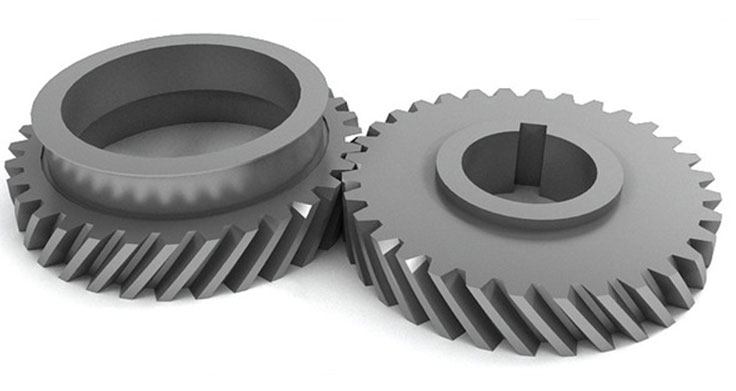
The rapid growth of the electric vehicle industry is transforming the future of transportation. As automakers invest heavily in advanced electric powertrains, the demand for high-performance drivetrain components continues to rise. Among these components, forged EV gears have become a critical element in ensuring efficiency, durability, and long-term reliability.
Unlike traditional internal combustion engine vehicles, electric vehicles generate instant torque and operate under unique performance conditions. These characteristics place significant demands on transmission systems and the gears responsible for transferring power from the motor to the wheels.
To meet these challenges, leading OEMs increasingly rely on forged gears rather than cast alternatives. Forging provides superior mechanical strength, enhanced fatigue resistance, improved grain structure, and greater reliability for demanding EV applications.
In this article, we explore why forged gears are essential for electric vehicle transmission systems and how advanced manufacturing processes help create components capable of supporting the next generation of electric mobility.
Understanding the Role of Gears in Electric Vehicles
Many people assume electric vehicles do not require transmissions because electric motors can deliver power across a broad speed range. While EV drivetrains are simpler than traditional transmissions, gears remain a vital part of every electric powertrain.
Electric motors often operate at speeds exceeding 15,000 RPM. To convert this high-speed rotation into usable wheel torque, gear reduction systems are required.
These gears perform several important functions:
- Reduce motor speed
- Increase wheel torque
- Improve energy efficiency
- Enhance acceleration
- Reduce drivetrain stress
- Optimize vehicle performance
Modern EV transmission gears must be capable of handling continuous loads while maintaining quiet and efficient operation.
Challenges in EV Transmission Systems
Electric vehicle transmissions face significantly different operating conditions compared to conventional automotive drivetrains.
Traditional internal combustion engines build torque gradually through increasing RPM. Electric motors, however, deliver maximum torque instantly from zero speed.
This creates unique challenges for drivetrain engineers:
- Higher instantaneous torque loads
- Rapid acceleration cycles
- Increased stress concentrations
- Noise and vibration sensitivity
- Long service life expectations
- Lightweight design requirements
- Higher rotational speeds
To withstand these demanding conditions, manufacturers increasingly depend on forged EV gears that provide exceptional strength and durability.
The Unique Torque Characteristics of EV Motors
One of the biggest differences between electric motors and internal combustion engines is torque delivery.
Electric motors generate near-instant torque from startup, which places enormous stress on drivetrain components during acceleration.
This high torque delivery creates several engineering challenges:
- Higher tooth loading
- Increased contact stress
- Greater fatigue cycles
- Continuous power delivery
- Demand for precision gear profiles
Because EV motors produce consistent torque across a broad operating range, gear systems must maintain performance throughout millions of operating cycles.
This is one reason why manufacturers invest heavily in planetary gear components and advanced transmission technologies.
Why Forging Outperforms Casting for EV Gears
When manufacturing gears for electric vehicle applications, manufacturers typically choose between forged and cast production methods.
Although casting can be suitable for certain applications, forging offers significant advantages for high-performance transmission systems.
Forging Process
Forging involves shaping heated metal under extreme pressure. This process aligns the material’s grain structure to follow the geometry of the component.
The result is a stronger and more durable component with superior mechanical properties.
Casting Process
Casting involves pouring molten metal into molds and allowing it to solidify. While cost-effective for some applications, cast components may contain internal porosity and less favorable grain structures.
For critical EV drivetrain applications, forged gears generally provide superior performance and reliability.
Many global manufacturers work with specialized precision forged gears manufacturers to meet demanding EV requirements.
The Importance of Fatigue Resistance in EV Gears
Fatigue resistance is one of the most important characteristics of any transmission gear.
Every acceleration, deceleration, and power transfer cycle creates repeated stress on gear teeth. Over time, these stresses can cause microscopic cracks that eventually lead to component failure.
Forged gears provide exceptional fatigue resistance because:
- They possess a refined grain structure
- Internal defects are minimized
- Mechanical properties are more consistent
- Load distribution is improved
- Stress concentrations are reduced
These advantages help forged gears survive millions of operating cycles while maintaining reliability throughout the vehicle’s lifespan.
This is particularly important for modern automotive powertrain systems where long-term durability is a key purchasing factor.
How Grain Flow Improves Gear Performance
One of the greatest benefits of forging is its ability to optimize grain flow within the material.
During forging, metal grains are compressed and aligned along the shape of the component. This creates a continuous grain structure that enhances strength and toughness.
Benefits of optimized grain flow include:
- Higher impact resistance
- Improved fatigue life
- Greater toughness
- Enhanced load-bearing capability
- Reduced crack propagation
In contrast, cast components often have random grain structures that may not provide the same level of mechanical performance.
For critical EV transmission applications, grain flow optimization is one of the primary reasons OEMs specify forged components.
Planetary Gears and Forged Components in EV Systems
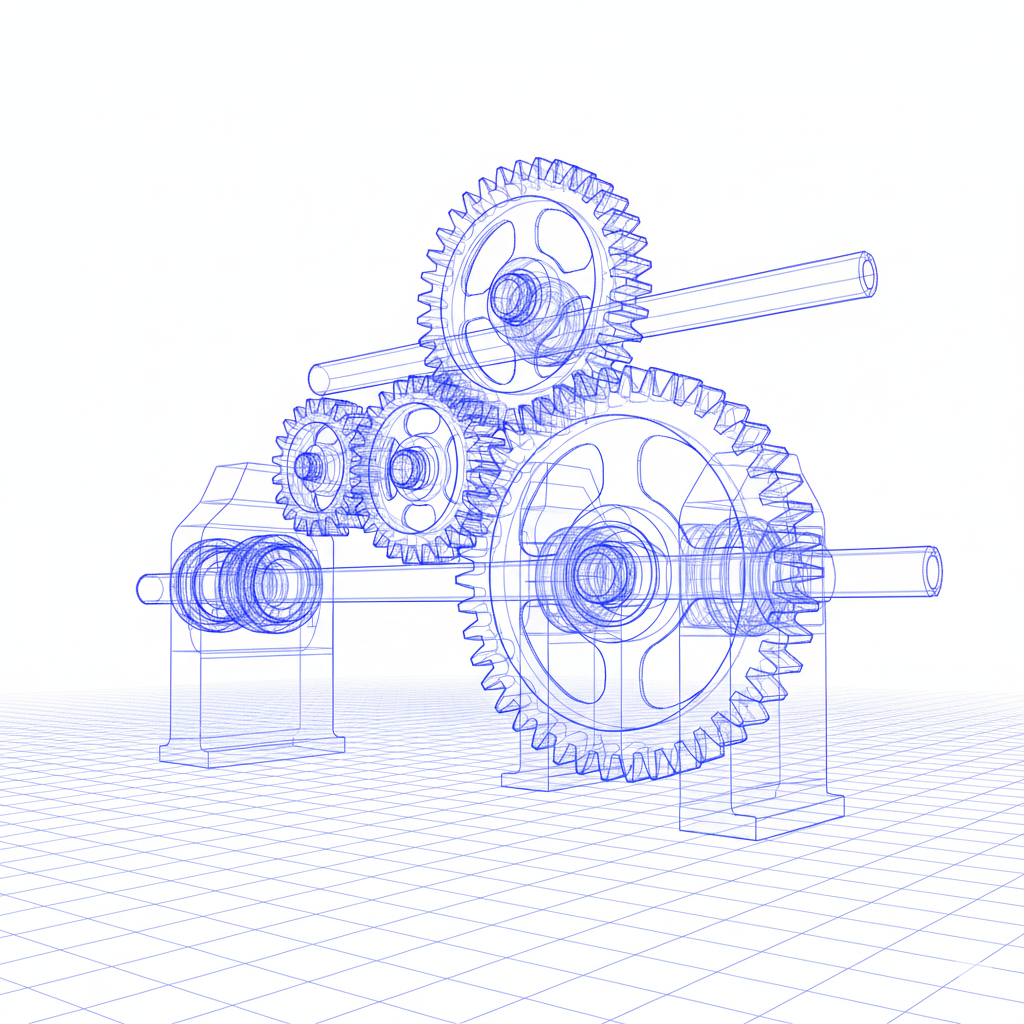
Many electric vehicle drivetrains utilize planetary gear systems because of their compact design and excellent torque transmission characteristics.
A typical planetary gear system includes:
- Sun Gear
- Planet Gears
- Ring Gear
- Planet Carrier
These systems require highly precise gear components capable of handling substantial loads while maintaining efficiency and quiet operation.
Manufacturers specializing in planetary gear manufacturing often rely on forging processes to achieve the required strength and durability.
Precision Manufacturing Requirements for Forged EV Gears
Forging alone does not guarantee performance. High-quality EV gears require advanced machining and finishing operations.
Modern manufacturing processes typically include:
- Closed-Die Forging
- CNC Turning
- Gear Hobbing
- Gear Shaping
- Heat Treatment
- Gear Grinding
- Quality Inspection
Advanced 5 Axis Machining Services help manufacturers achieve tight tolerances and complex geometries required by modern EV transmissions.
OEM Quality Requirements for Electric Vehicle Gears
Global automotive OEMs have extremely strict quality standards for drivetrain components.
Every gear must meet demanding requirements for:
- Dimensional Accuracy
- Gear Tooth Profile Precision
- Surface Finish Quality
- Hardness Consistency
- Material Traceability
- Fatigue Performance
- Noise Reduction
Leading EV gear manufacturing company facilities invest heavily in quality systems, metrology equipment, and process controls to satisfy OEM expectations.
Heat Treatment and Surface Hardening for EV Gears
Heat treatment plays a critical role in enhancing gear performance.
Common processes include:
- Carburizing
- Induction Hardening
- Quenching
- Tempering
- Stress Relieving
These treatments improve wear resistance, increase surface hardness, and extend component life.
Combined with forging, heat treatment creates drivetrain components capable of handling demanding EV operating conditions.
The Future of Forged EV Gears
As electric vehicle technology advances, drivetrain systems are becoming increasingly sophisticated.
Future trends include:
- Higher motor power densities
- Integrated e-axle systems
- Advanced planetary gearboxes
- Lightweight transmission components
- Low-noise gear designs
- High-efficiency reduction gears
Manufacturers involved in precision engineering solutions and industrial machinery manufacturing will continue to play a vital role in supporting these innovations.
Why OEMs Prefer Forged EV Gears
The combination of strength, durability, fatigue resistance, and dimensional accuracy makes forged gears the preferred choice for modern electric vehicle transmissions.
Key benefits include:
- Superior Mechanical Strength
- Enhanced Fatigue Resistance
- Optimized Grain Flow
- Improved Reliability
- Longer Service Life
- Reduced Risk of Failure
- Better Load Distribution
- OEM-Level Performance
These advantages make forged gears essential for achieving long-term drivetrain reliability and customer satisfaction.
Conclusion
Electric vehicles may have simpler drivetrains than traditional automobiles, but the demands placed on transmission components are greater than ever. Instant torque delivery, high motor speeds, and long service life expectations require gears capable of performing under extreme conditions.
Forging provides the strength, fatigue resistance, and grain structure necessary to meet these challenges. Combined with advanced machining, heat treatment, and quality control processes, forged gears help ensure the performance and reliability of modern EV transmission systems.
As the electric vehicle market continues to grow, forged gears will remain one of the most important components enabling efficient, reliable, and high-performance mobility solutions.
Explore Our Forged EV Gear Manufacturing Solutions
Looking for a trusted partner for forged EV gears, planetary gear components, transmission gears, shafts, and precision drivetrain solutions?
Discover how MTF’s advanced EV gear manufacturing company capabilities support global OEMs with high-quality forged EV gears, EV transmission gears, and next-generation precision forged gears engineered for electric mobility.