



How Precision Ground Gears Improve Automotive Transmission Performance
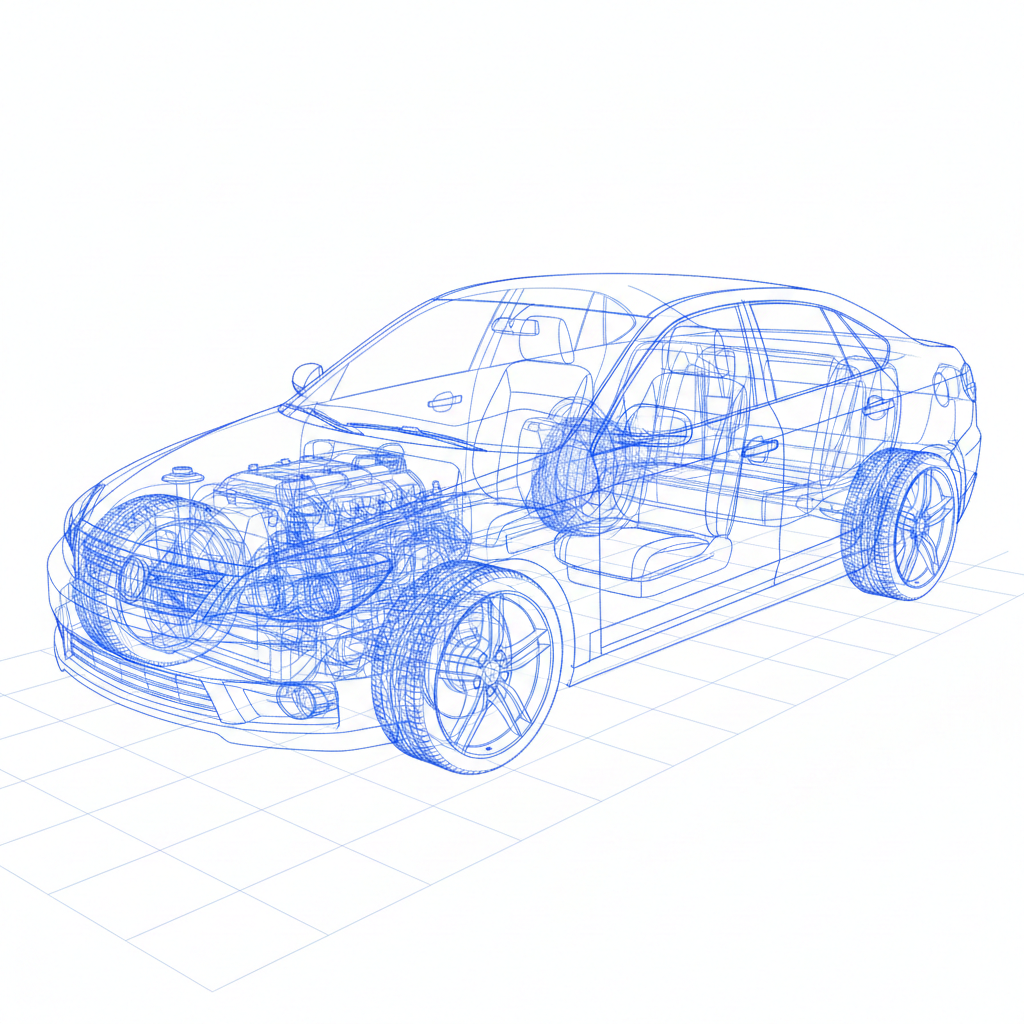
Modern vehicles demand exceptional performance, fuel efficiency, durability, and driving comfort. Whether in passenger cars, commercial vehicles, hybrid powertrains, or electric vehicles, transmission systems play a critical role in delivering power efficiently from the engine or motor to the wheels.
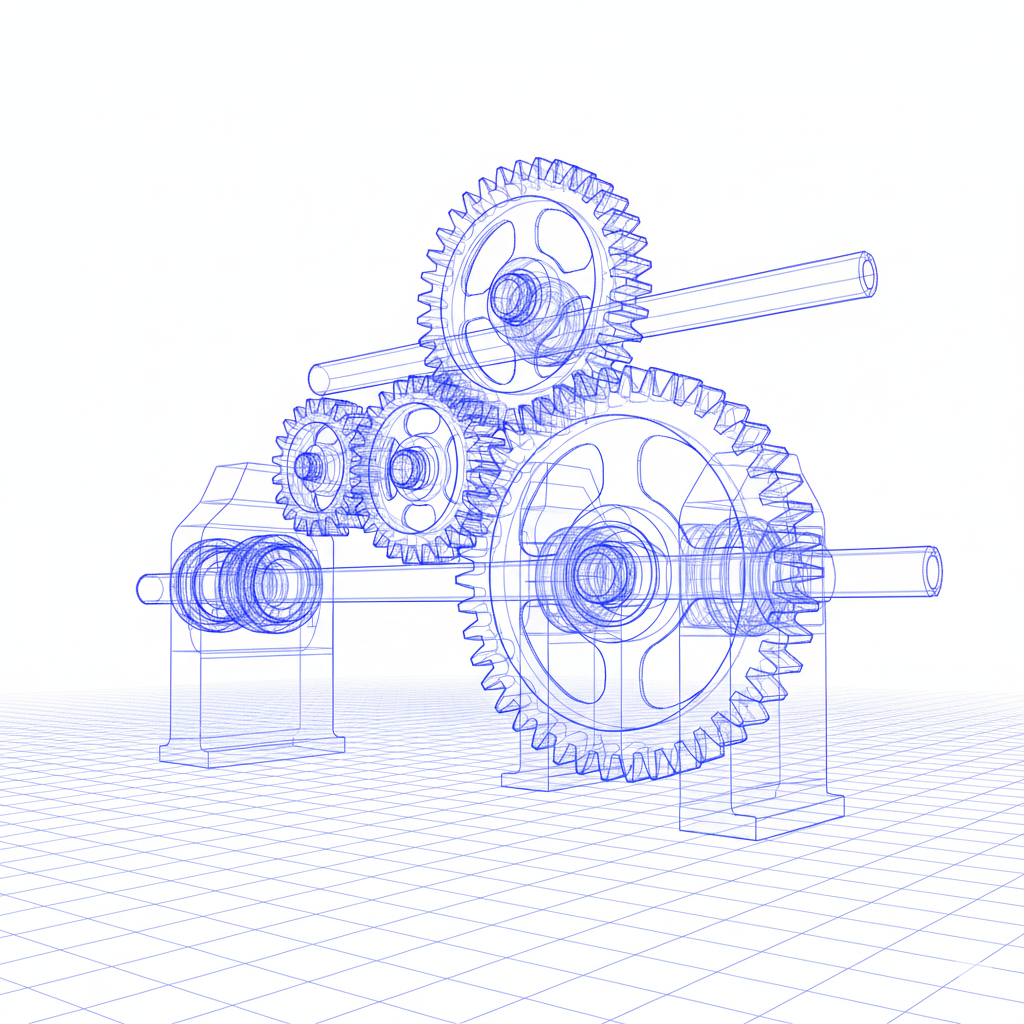
At the center of every high-performance transmission system are precision-engineered gears. While forging and machining establish the foundation of a gear, the final quality and performance often depend on one critical process: gear grinding.
Precision ground gears have become the preferred choice for automotive OEMs worldwide because they provide superior accuracy, reduced noise, improved efficiency, and extended service life. As transmission technologies continue evolving, gear grinding remains one of the most important manufacturing processes for achieving world-class drivetrain performance.
In this article, we explore how precision ground gears improve automotive transmission systems and why global manufacturers continue investing in advanced gear grinding technologies.
What Are Precision Ground Gears?
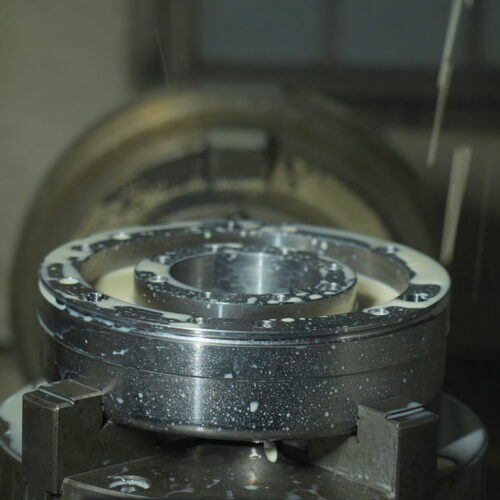
Precision ground gears are gears that undergo a specialized grinding process after heat treatment and machining. During grinding, microscopic amounts of material are removed from the gear tooth surface using highly accurate grinding wheels.
This process refines the gear geometry and improves dimensional accuracy beyond what conventional cutting operations can achieve.
Precision grinding helps optimize:
- Gear Tooth Profile
- Lead Accuracy
- Pitch Accuracy
- Surface Finish
- Gear Meshing Characteristics
- Noise Performance
Leading automotive gear manufacturer companies utilize advanced grinding technologies to meet strict OEM quality requirements.
Why Gear Accuracy Matters in Modern Vehicles
Transmission gears operate continuously under load while transferring power throughout the drivetrain.
Even extremely small dimensional variations can affect:
- Transmission Efficiency
- Vehicle Performance
- Noise Levels
- Fuel Economy
- Component Durability
- Driving Comfort
As automotive technology advances, OEMs require tighter tolerances than ever before.
Modern transmission systems often require gears manufactured to DIN and AGMA quality standards to ensure optimal performance.
The Gear Manufacturing Journey
Before understanding the importance of grinding, it is useful to examine the complete manufacturing process.
Typical automotive gear production includes:
- Material Selection
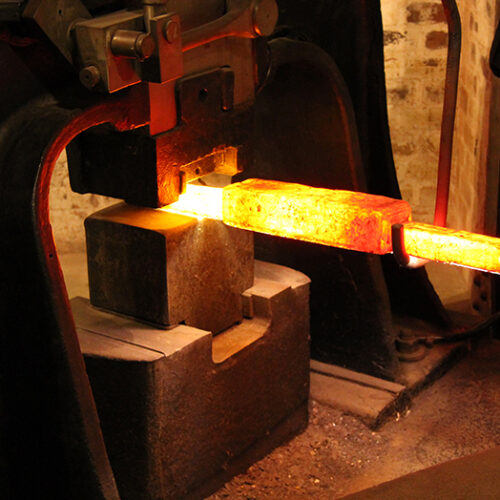
- Closed-Die Forging
- CNC Machining
- Gear Hobbing
- Heat Treatment
- Gear Grinding
- Final Inspection
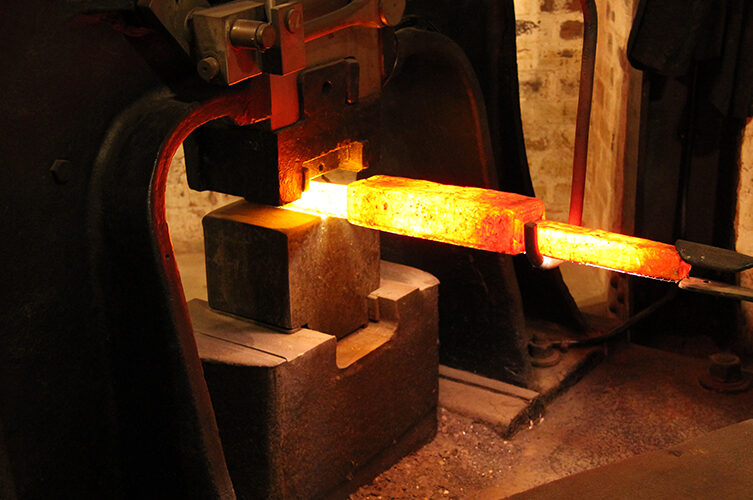
Many automotive drivetrain components begin as forged blanks produced by specialized forging gears manufacturer facilities before moving into precision machining and finishing operations.
How Gear Grinding Improves Transmission Efficiency
Efficiency remains one of the most important objectives for automotive manufacturers.
Every percentage of efficiency gained within the transmission contributes to better vehicle performance and lower energy consumption.
Precision ground gears improve efficiency by:
- Reducing Friction Losses
- Improving Tooth Contact Patterns
- Minimizing Power Loss
- Enhancing Lubrication Performance
- Reducing Heat Generation
This is particularly important in modern hybrid and electric vehicles where drivetrain efficiency directly impacts driving range.
Manufacturers involved in EV gear manufacturing rely heavily on precision grinding technologies.
Reducing Noise, Vibration, and Harshness (NVH)
One of the primary reasons automotive OEMs specify ground gears is noise reduction.
Noise, vibration, and harshness—commonly known as NVH—are critical quality metrics in modern vehicle development.
Poor gear geometry can result in:
- Gear Whine
- Vibration
- Transmission Noise
- Customer Complaints
- Reduced Driving Comfort
Precision grinding improves gear meshing characteristics and minimizes variations that contribute to NVH issues.
This has become increasingly important as electric vehicles eliminate engine noise, making transmission sounds more noticeable.
The Role of Ground Gears in Electric Vehicles
Electric vehicles have fundamentally changed transmission design requirements.
Unlike conventional engines, electric motors generate maximum torque instantly and operate at significantly higher rotational speeds.
As a result, EV gears must provide:
- Exceptional Accuracy
- Low Noise Operation
- High Efficiency
- Superior Durability
- Long Service Life
Advanced electric vehicle transmission components often utilize precision ground gears to achieve these performance objectives.
Why Germany Leads in Precision Gear Technology
Germany has long been recognized as a global leader in precision gear engineering and automotive manufacturing.
German transmission manufacturers have pioneered advancements in:
- Gear Grinding Technologies
- Transmission Efficiency
- Noise Reduction
- Automotive Quality Standards
- Precision Metrology
Many global OEMs adopt German manufacturing principles when developing high-performance drivetrain systems.
This commitment to precision continues to influence gear manufacturing practices throughout Europe and North America.
Planetary Gears and Precision Grinding
Planetary gear systems are widely used in automatic transmissions, hybrid vehicles, and electric drivetrains.
A planetary system typically includes:
- Sun Gear
- Planet Gears
- Ring Gear
- Planet Carrier
Because these components operate simultaneously within a compact assembly, precision is essential.
Ground gear profiles ensure smooth operation and balanced load distribution throughout the system.
Manufacturers producing planetary gear components often incorporate advanced grinding processes to achieve OEM-level quality.
How Precision Grinding Improves Gear Life
Durability remains a key factor in automotive drivetrain design.
Ground gears typically demonstrate longer service life because they:
- Reduce Surface Stress
- Improve Load Distribution
- Minimize Friction
- Reduce Heat Generation
- Improve Lubrication Conditions
These factors help reduce wear and increase overall transmission reliability.
For commercial vehicles, heavy-duty applications, and electric powertrains, these benefits can significantly reduce maintenance costs and improve long-term performance.
Advanced Inspection Technologies for Ground Gears
Modern automotive gears undergo rigorous inspection procedures before reaching production vehicles.
Quality validation typically includes:
- Gear Profile Inspection
- Lead Measurement
- Pitch Analysis
- Runout Testing
- Hardness Verification
- Metallurgical Evaluation
- CMM Inspection
Manufacturers serving the automotive industry invest heavily in advanced metrology equipment to ensure consistent quality.
Industry 4.0 and the Future of Gear Grinding
Smart manufacturing technologies are transforming the future of precision gear production.
Emerging innovations include:
- AI-Based Process Optimization
- Industrial IoT Monitoring
- Predictive Maintenance
- Automated Quality Inspection
- Digital Twin Technologies
Companies utilizing advanced machining technologies and smart manufacturing systems are achieving higher levels of precision and productivity.
Why OEMs Prefer Precision Ground Gears
Automotive OEMs continue specifying precision ground gears because they provide measurable benefits throughout the vehicle lifecycle.
Advantages include:
- Improved Transmission Efficiency
- Reduced Noise Levels
- Longer Service Life
- Higher Reliability
- Better Driving Comfort
- Enhanced Fuel Economy
- Lower Warranty Costs
These benefits make gear grinding a critical investment for manufacturers focused on quality and performance.
The Future of Automotive Transmission Systems
As vehicle technologies continue evolving, precision ground gears will become even more important.
Future drivetrain systems are expected to require:
- Higher Efficiency
- Lower Noise Levels
- Greater Power Density
- Compact Packaging
- Enhanced Durability
Manufacturers that combine forging expertise, precision machining, gear grinding, and advanced quality control will remain key suppliers to the automotive industry.
Conclusion
Precision ground gears play a vital role in modern automotive transmission systems. By improving accuracy, reducing noise, enhancing efficiency, and increasing durability, gear grinding helps manufacturers meet the growing performance expectations of OEMs and consumers alike.
Whether for conventional vehicles, hybrids, or electric drivetrains, precision gear finishing remains one of the most important technologies supporting the future of mobility.
Explore Our Automotive Gear Manufacturing Expertise
Looking for a trusted partner for automotive transmission gears, planetary gear assemblies, EV drivetrain components, and precision-engineered drivetrain solutions?
Discover MTF’s capabilities as a leading automotive gear manufacturer, supplier of precision forged gears, producer of planetary gear components, and manufacturing partner for advanced electric vehicle transmission components serving global automotive OEMs.