
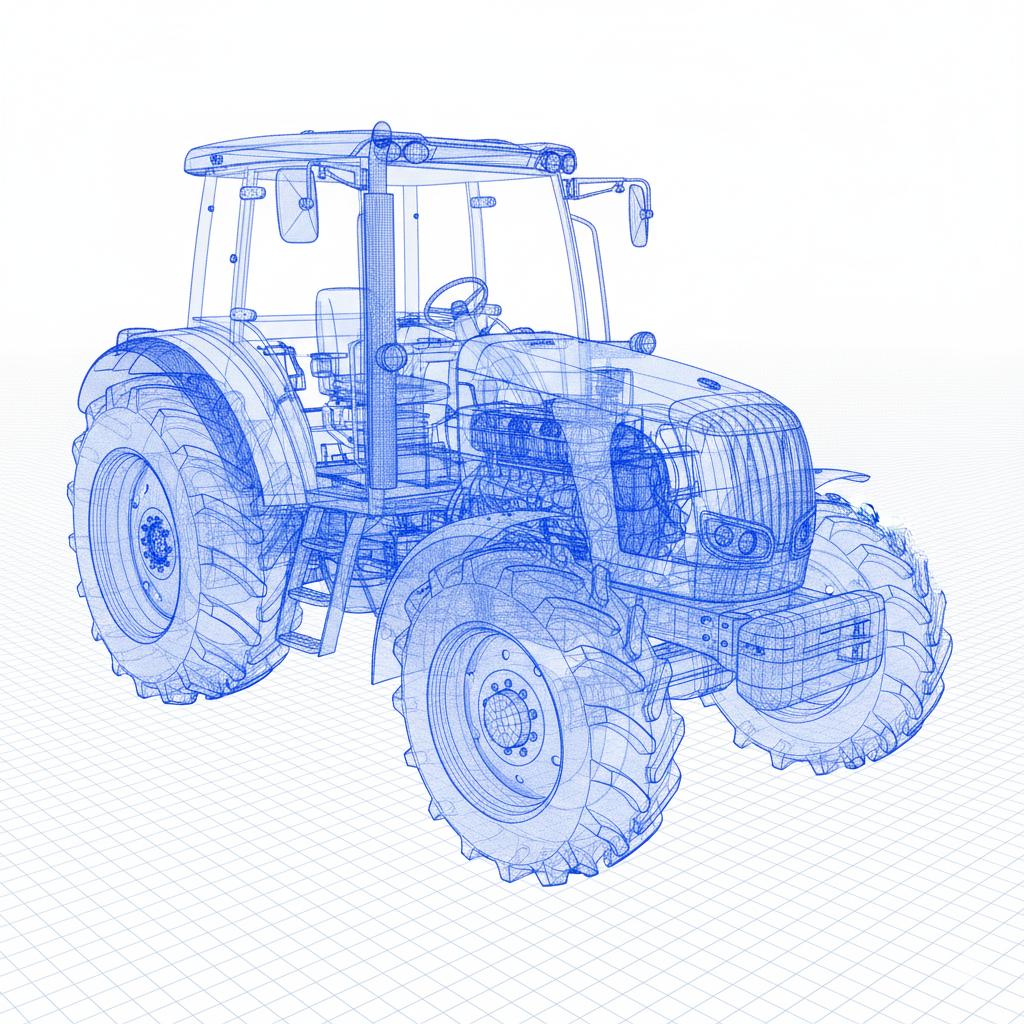
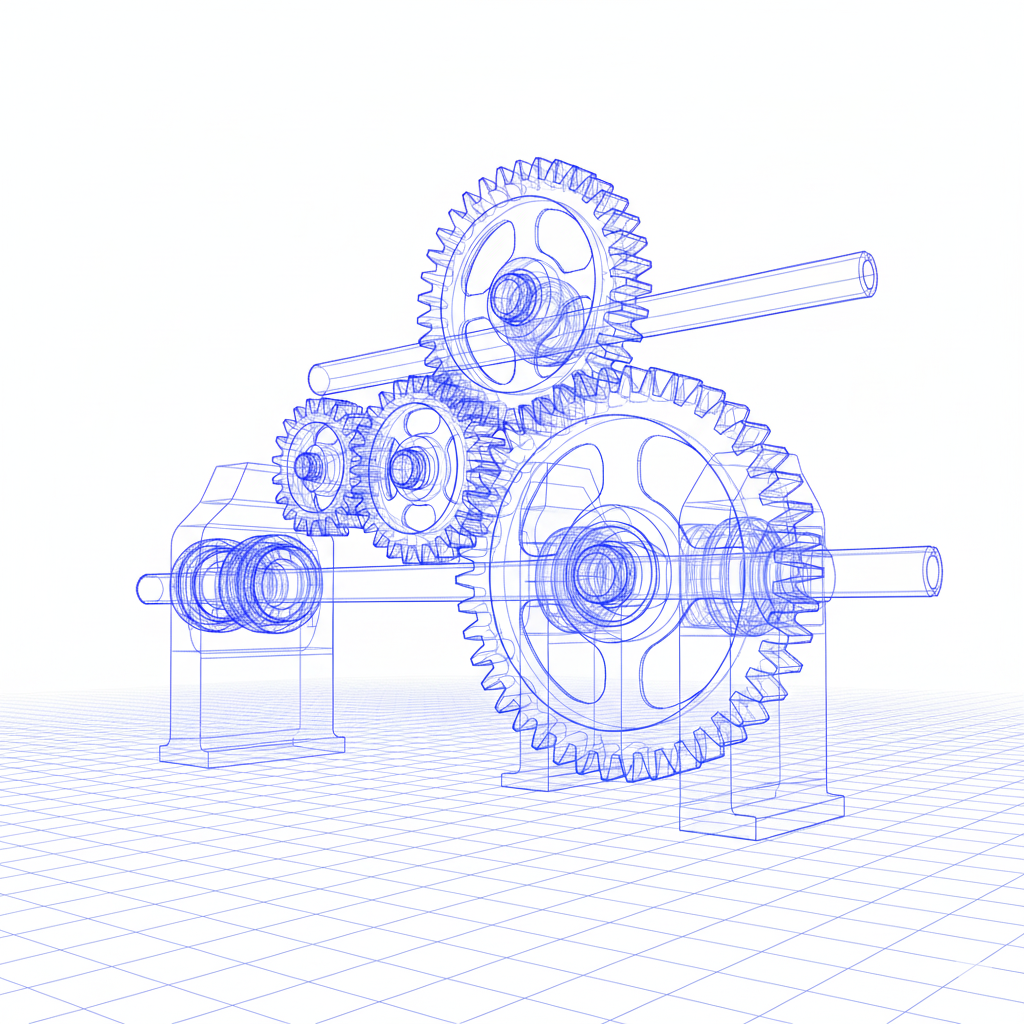
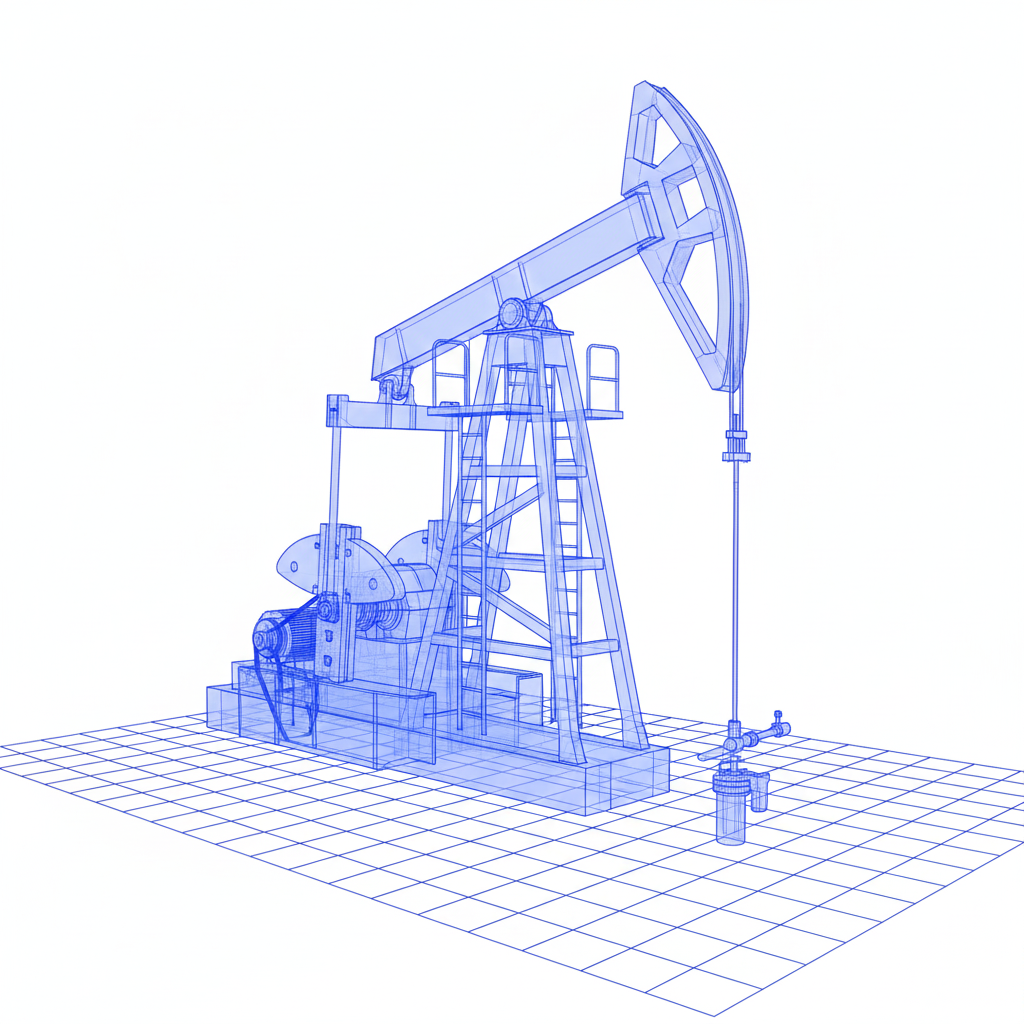
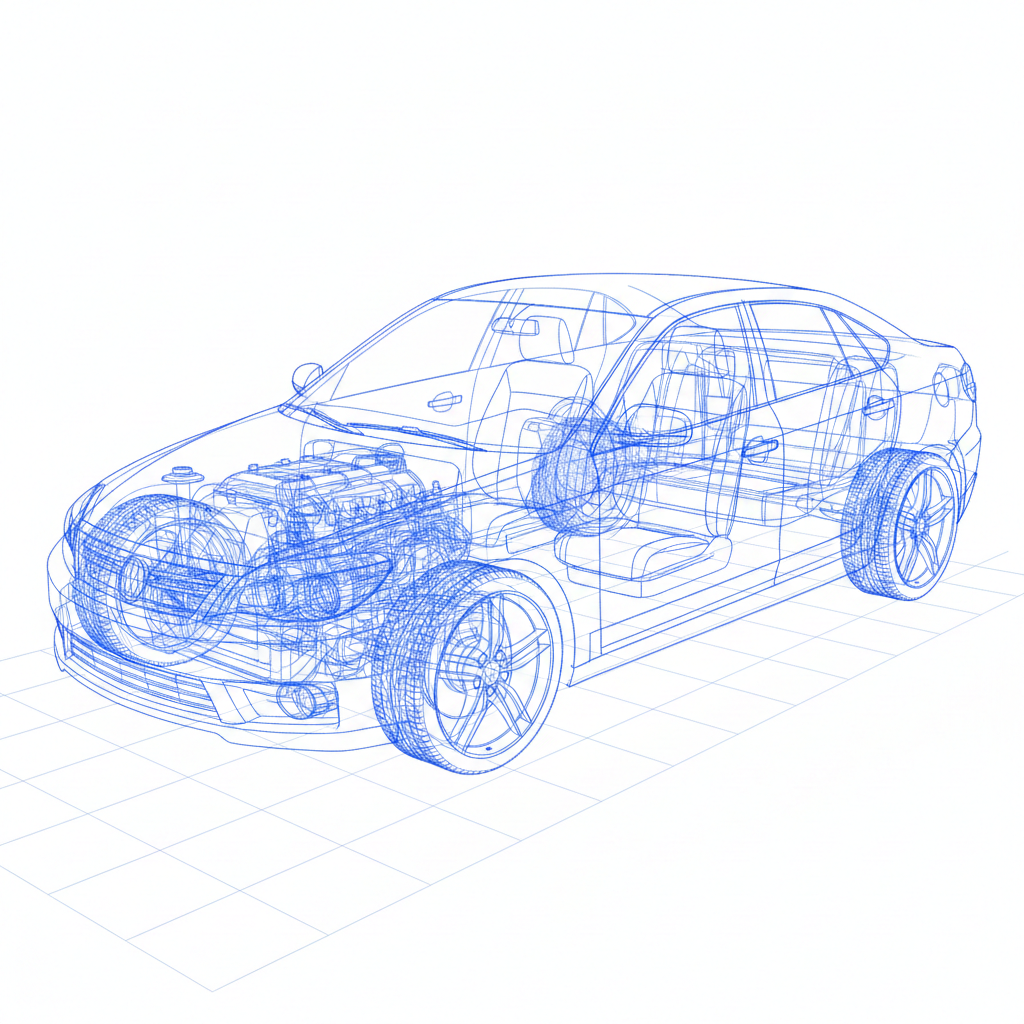



Automotive performance depends on the strength, accuracy, and reliability of individual components. Gears, shafts, gear blanks, and hydraulic cylinder parts must meet demanding engineering requirements to support consistent operation across automotive and mobile equipment applications.
Precision forging and machining play an important role in manufacturing automotive components that meet demanding engineering requirements. Forging helps create the component’s basic structure, while precision machining produces the dimensions, surfaces, and functional features required for accurate assembly and reliable operation.
In this article, we explore how precision-forged and machined components contribute to automotive performance and why manufacturing quality matters.
1. Why Are Precision Components Important in the Automotive Industry?
Automotive components operate under different mechanical conditions, including repeated loading, friction, vibration, and temperature variations. Even small dimensional inconsistencies can affect component fit, assembly, and long-term performance.
Precision components help address these challenges through:
- Dimensional accuracy: Supports correct fitting and assembly within automotive systems.
- Mechanical strength: Helps components withstand operating loads and repeated stress.
- Wear resistance: Supports longer service life under demanding conditions.
- Consistent quality: Helps maintain manufacturing standards across production batches.
- Reliable operation: Reduces the risk of issues caused by material or dimensional inconsistencies.
These requirements make precision manufacturing important for components used in transmissions, drivetrains, steering systems, and hydraulic assemblies.
2. How Do Forged Components Support Automotive Performance?
Forging is a manufacturing process in which metal is shaped using compressive forces. Depending on the component design, material selection, and manufacturing process, forging can produce parts with suitable strength and structural characteristics for demanding automotive applications.
Automotive components such as transmission gears, shafts, and drivetrain parts experience repeated mechanical loads during operation. Properly controlled forging can help produce components with the mechanical properties required to handle these conditions.
This is particularly important in modern electric and hybrid vehicles, where drivetrain components must support efficient power transmission, torque management, and reliable operation. For example, reduction gears and planetary gear systems play important roles in managing motor speed and delivering torque to the wheels. Read more about our automotive gears in electric and hybrid vehicles and their role in modern powertrain engineering.
Key benefits of forged automotive components include:
- Structural Strength: Helps produce components suitable for demanding mechanical loads.
- Improved Material Structure: Properly controlled forging can improve grain flow and support suitable mechanical properties, depending on material selection and process conditions.
- Design Flexibility: Different forging methods can accommodate various component shapes and dimensions.
- Production Consistency: Controlled manufacturing processes help maintain repeatable component quality.
Forging is particularly relevant for automotive components where mechanical strength, durability, and reliable performance are essential.
3. Role of Gears and Shafts in Automotive Systems
Gears and shafts are important components within automotive transmission and drivetrain assemblies. They work together to transfer mechanical power between different parts of a vehicle.
Automotive Gears
Automotive gears must meet specific dimensional and surface requirements to support reliable operation. Variations in gear dimensions and tooth geometry can affect meshing conditions, noise levels, load distribution, and transmission efficiency.
Important manufacturing considerations include:
- Accurate component dimensions
- Consistent tooth geometry
- Suitable material properties
- Surface quality and finishing
- Inspection against design specifications
Automotive Shafts
Shafts support rotating components and transmit mechanical power within vehicle systems. Their design and manufacturing quality influence alignment, assembly, and operational reliability.
Shaft manufacturing requires attention to critical dimensions, concentricity, surface finish, and fitment features. Precision machining helps achieve these requirements and supports the production of shafts suitable for their intended applications.
4. Why Are Gear Blanks Important in Gear Manufacturing?
A gear blank is the basic component from which a finished gear is manufactured. It provides the foundation for subsequent machining and tooth-cutting operations.
The quality of a gear blank influences the accuracy and consistency of the finished gear.
Important manufacturing considerations include:
- Material selection: The material must meet the strength and performance requirements of the application.
- Blank dimensions: Accurate diameter, thickness, and bore dimensions support subsequent operations.
- Concentricity: Proper alignment between critical features helps maintain dimensional accuracy.
- Machining allowance: Suitable material allowance is required for finishing operations.
- Inspection: Dimensional checks help verify that the blank meets specified requirements.
A properly manufactured gear blank provides a reliable starting point for producing precision automotive gears.
5. How Do Hydraulic Cylinder Components Contribute to Automotive Performance?
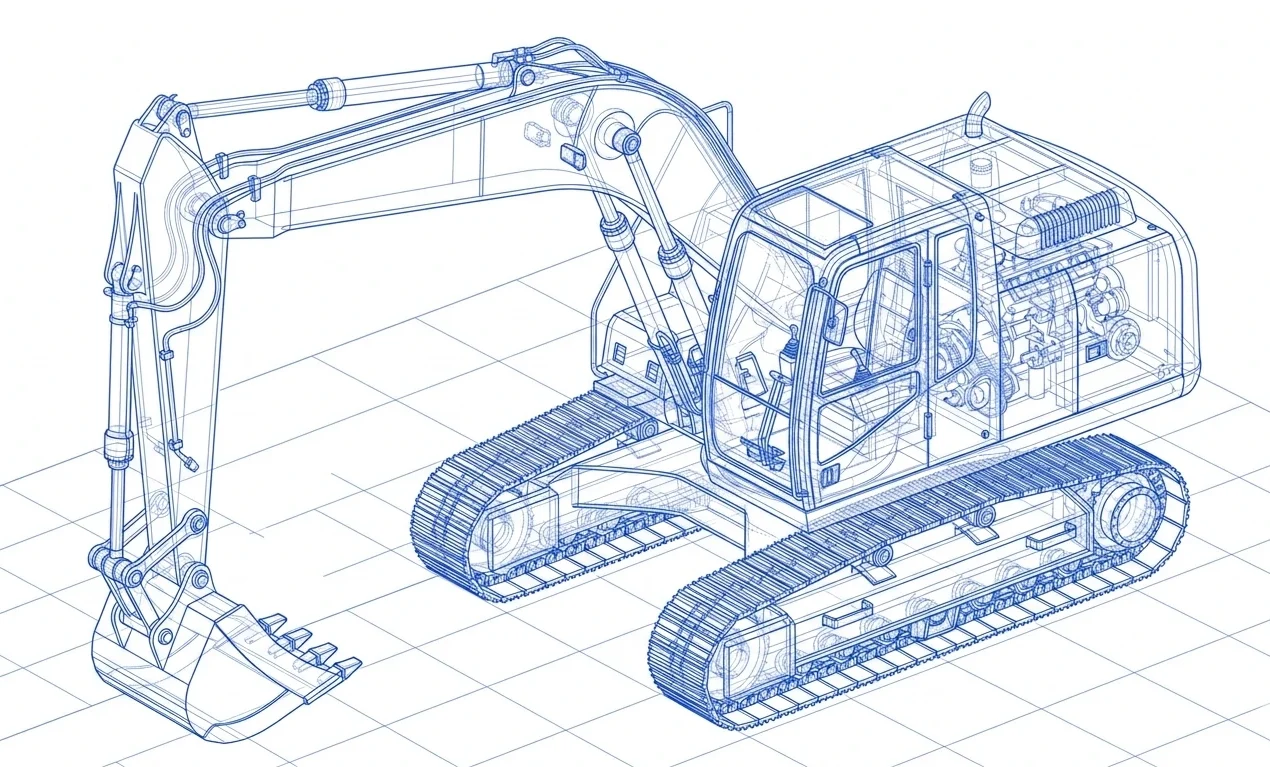
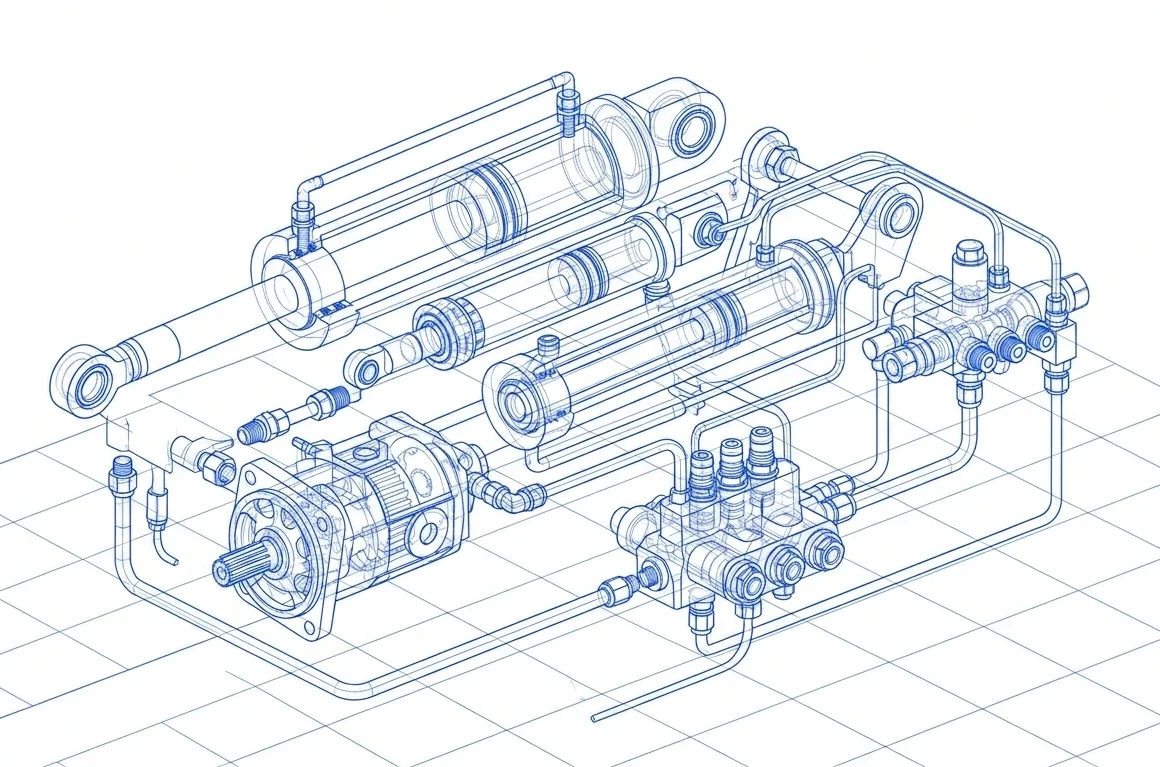
Hydraulic systems are used in automotive applications and mobile equipment, including specialized vehicles and construction machinery, to generate and control mechanical movement.
Hydraulic cylinder components must maintain suitable dimensional accuracy and withstand the operating conditions of the system. Depending on the design, these may include cylinder ends, mounting parts, housings, and other machined elements.
Their manufacturing quality influences:
- Component fit and assembly
- Structural strength under operating pressure
- Surface contact and sealing requirements
- Resistance to wear and operating stress
- Consistency during repeated operation
Precision forging and machining can support the production of hydraulic components according to application-specific requirements.
6. Why Is Precision Machining Essential After Forging?
Forging creates the basic shape of a component, but additional machining is often required to achieve its final dimensions and functional features.
Precision machining removes controlled amounts of material to produce accurate surfaces, holes, bores, threads, and other critical features.
For automotive components, machining helps achieve:
- Accurate dimensions: Ensures components meet specified measurements.
- Correct fitment: Supports proper assembly with connected parts.
- Surface finish: Provides suitable surface conditions for functional areas.
- Geometrical accuracy: Helps maintain concentricity, alignment, and required tolerances.
- Repeatability: Supports consistent production across manufacturing batches.
Combining forging and precision machining helps manufacturers address both structural and dimensional requirements.
7. What Quality Factors Should Automotive Component Manufacturers Consider?
Manufacturing automotive components requires a systematic approach to quality throughout production.
Important quality considerations include:
- Raw material verification: Checking material specifications before production.
- Process control: Maintaining consistency during forging and machining.
- Dimensional inspection: Verifying component measurements against drawings.
- Machining accuracy: Checking critical features and tolerances.
- Surface quality: Evaluating finished surfaces according to application requirements.
- Material traceability: Maintaining material identification and relevant production records to support quality verification.
Inspection and validation requirements should follow component drawings, material specifications, customer requirements, and intended applications.
8. Choosing the Right Manufacturing Partner for Automotive Components
Selecting a manufacturing partner involves evaluating more than production capacity. Automotive buyers should consider technical capabilities, process control, quality systems, and the ability to meet component specifications.
Key factors to evaluate include:
- Experience with automotive components
- Forging and machining capabilities
- Material and process knowledge
- Dimensional inspection practices
- Production consistency
- Ability to meet customer-specific requirements
A manufacturing partner with suitable forging and machining capabilities can support component production from initial forming through final machining and inspection.
Conclusion
Automotive performance relies on the quality and reliability of individual components. Gears, shafts, gear blanks, and hydraulic cylinder parts must meet specific requirements for strength, dimensional accuracy, and durability.
Precision forging helps create suitable component structures, while machining delivers the dimensions and functional features required for assembly and operation. Together, these processes support the manufacturing of automotive components for demanding applications.
With us, forging and precision machining capabilities support the manufacturing requirements of automotive and industrial applications.
Explore Our manufacturing capabilities or contact the team to discuss your component requirements.


