



How Automotive Gears Are Manufactured: From Forging to Precision Engineering
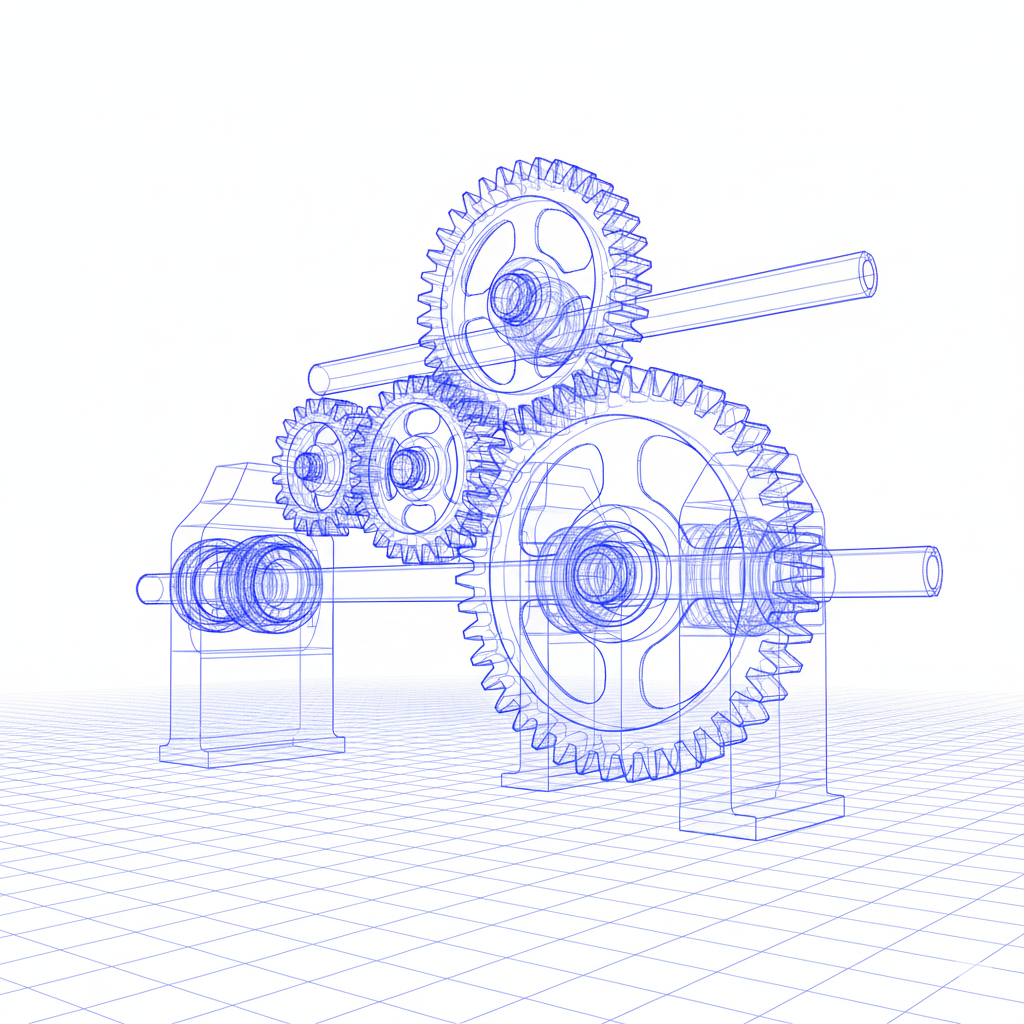
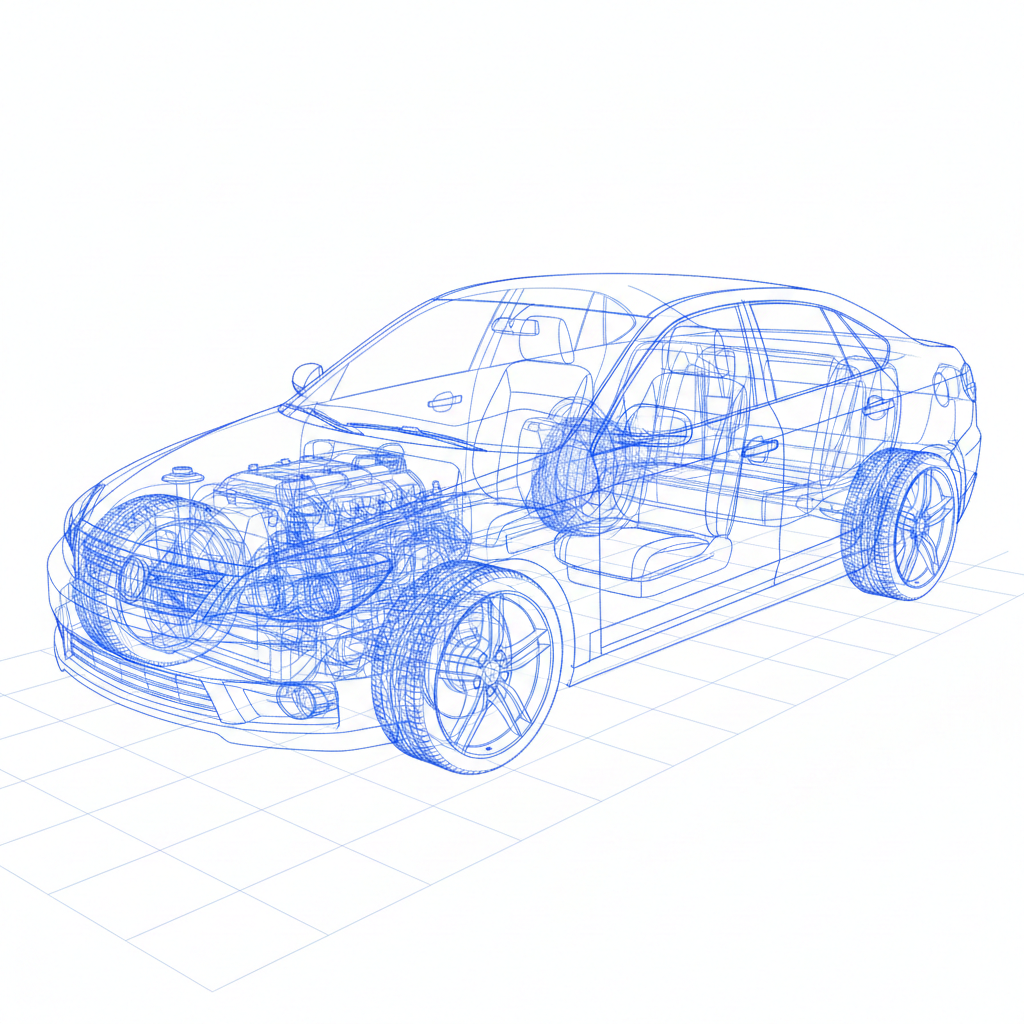
The automotive industry depends on precision-engineered components to ensure vehicle performance, safety, efficiency, and reliability. Among these components, gears play a critical role in transmitting power, controlling speed, and optimizing vehicle operation. Whether in passenger cars, commercial vehicles, electric vehicles, or off-highway equipment, automotive gears are fundamental to drivetrain and transmission systems.
Modern vehicles demand gears capable of handling higher loads, tighter tolerances, and increasingly complex operating conditions. This has led manufacturers to adopt advanced forging, machining, heat treatment, and gear finishing technologies to produce components that meet stringent OEM requirements.
In this article, we explore how automotive gears are manufactured, the processes involved, and why precision engineering is essential for today’s automotive industry.
The Importance of Automotive Gears in Modern Vehicles
Automotive gears are responsible for transferring power efficiently throughout a vehicle’s drivetrain. They enable engines and electric motors to operate within their optimal speed ranges while delivering the required torque to the wheels.
Common automotive gear applications include:
- Manual Transmissions
- Automatic Transmissions
- Differential Systems
- Transfer Cases
- Electric Vehicle Reduction Gearboxes
- Steering Systems
- Power Transmission Assemblies
Because these components operate under constant stress and repetitive loading conditions, manufacturers must maintain the highest standards of quality and precision.
Leading automotive gear manufacturer facilities invest heavily in advanced production technologies to meet these demands.
Types of Automotive Gears Used in Vehicle Systems
Different vehicle systems require different gear configurations depending on torque, speed, and packaging requirements.
Spur Gears
Spur gears are among the simplest gear types and are commonly used in auxiliary systems where efficiency and simplicity are important.
Helical Gears
Helical gears provide smoother engagement and quieter operation, making them widely used in automotive transmissions.
Planetary Gears
Planetary gear systems are commonly used in automatic transmissions and electric vehicle drivetrains because they offer compact design and high torque capacity.
Learn more about planetary gear components manufacturing used in modern automotive applications.
Pinion Gears
Pinion gears work alongside ring gears in differential assemblies to distribute power efficiently to vehicle wheels.
Ring Gears
Ring gears are essential components in axle assemblies, transmissions, and differential systems.
Many manufacturers source these components from specialized forging gears manufacturer facilities.
Step 1: Material Selection for Automotive Gears
The foundation of a high-performance gear begins with material selection.
Automotive gears require materials capable of delivering:
- High Strength
- Excellent Wear Resistance
- Fatigue Durability
- Impact Toughness
- Heat Treatment Compatibility
Common materials include alloy steels such as chromium-molybdenum and nickel-chromium grades that provide superior mechanical properties.
Step 2: Closed-Die Forging
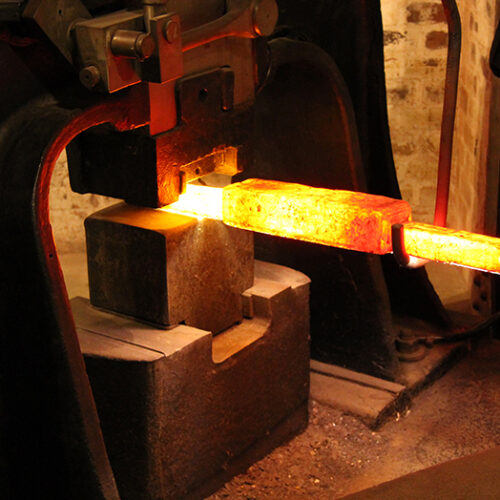
Forging remains one of the preferred manufacturing methods for automotive gears because it enhances material structure and mechanical performance.
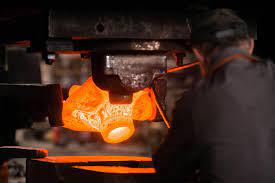
During closed-die forging, heated steel billets are compressed into precision dies that form the basic shape of the gear blank.
Benefits of forging include:
- Improved Grain Flow
- Higher Fatigue Strength
- Better Impact Resistance
- Enhanced Durability
- Reduced Material Waste
This is why many OEMs prefer precision forged gears for critical transmission applications.
Step 3: CNC Machining and Gear Blank Preparation
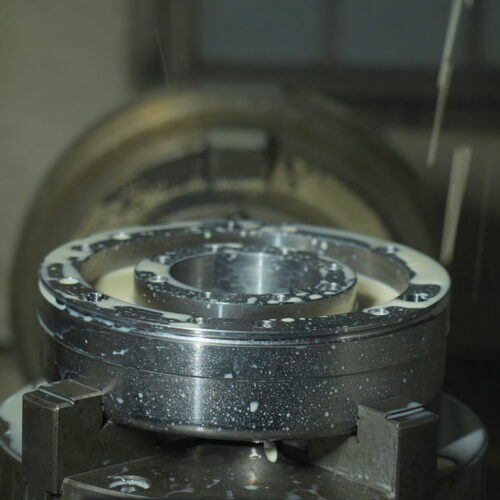
Following forging, gear blanks undergo precision machining operations to establish critical dimensions.
Typical machining processes include:
- CNC Turning
- Milling
- Drilling
- Broaching
- Boring
Modern manufacturers increasingly utilize 5 Axis Machining Services to improve accuracy and reduce production time.
Step 4: Gear Cutting and Hobbing
Gear hobbing is one of the most important stages in automotive gear manufacturing.
This process creates precise gear tooth profiles required for smooth power transmission and efficient operation.
Proper gear geometry ensures:
- Reduced Friction
- Improved Efficiency
- Lower Noise Levels
- Longer Service Life
Step 5: Heat Treatment for Performance Enhancement
Heat treatment significantly improves the mechanical properties of automotive gears.
Common processes include:
- Carburizing
- Induction Hardening
- Quenching
- Tempering
These treatments improve surface hardness while maintaining core toughness, ensuring optimal performance under demanding operating conditions.
Step 6: Precision Gear Grinding
Modern automotive transmissions require extremely precise gears.
Gear grinding improves:
- Gear Accuracy
- Surface Finish
- Noise Characteristics
- Operational Efficiency
- Durability
High-performance transmission systems often utilize precision ground gears manufactured to strict international quality standards.
The Rise of Electric Vehicle Gear Systems
The transition toward electric mobility is reshaping the automotive gear industry.
EV drivetrains require specialized gear systems designed to handle:
- Instant Torque Delivery
- Higher Motor Speeds
- Reduced Noise Requirements
- Enhanced Efficiency Targets
Manufacturers producing EV gear manufacturing solutions are helping automotive OEMs meet these evolving challenges.
Why Precision Matters in Automotive Gear Manufacturing
Even microscopic deviations in gear geometry can impact vehicle performance.
Precision manufacturing helps achieve:
- Optimal Power Transfer
- Reduced NVH (Noise, Vibration, Harshness)
- Higher Fuel Efficiency
- Longer Component Life
- Improved Driver Experience
This is why OEMs carefully select manufacturing partners capable of meeting strict quality requirements.
The Future of Automotive Gear Manufacturing
Future automotive gear technologies will focus on:
- Lightweight Materials
- Advanced Forging Technologies
- Smart Manufacturing
- AI-Based Quality Inspection
- Industry 4.0 Integration
- High-Precision Gear Grinding
Manufacturers investing in advanced production capabilities will continue supporting the evolution of automotive and electric vehicle technologies worldwide.
Conclusion
Automotive gears remain among the most important components in modern vehicles. From forging and machining to heat treatment and grinding, every stage of manufacturing influences performance, reliability, and efficiency.
As the automotive industry transitions toward electric mobility and advanced drivetrain systems, demand for precision-engineered gears will continue to increase.
Manufacturers capable of delivering high-quality forged, machined, and precision-ground gears will remain essential partners to automotive OEMs and Tier suppliers worldwide.
Explore Our Automotive Gear Manufacturing Capabilities
Looking for a trusted automotive gear manufacturer for transmission gears, differential gears, planetary gears, EV drivetrain components, and precision-forged automotive parts?
Discover MTF’s expertise in automotive gear manufacturing, precision forged gears, EV gear systems, and advanced drivetrain solutions designed for global automotive OEMs.